News | Media Inquiries & Relations

Hyslop Sports Center -- past, present and future
Learn more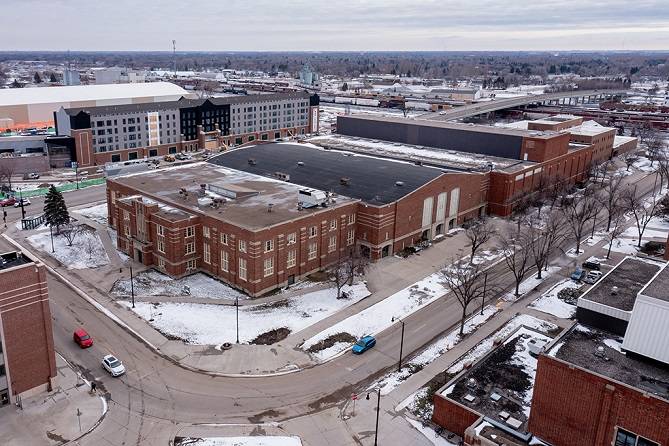
UND Today
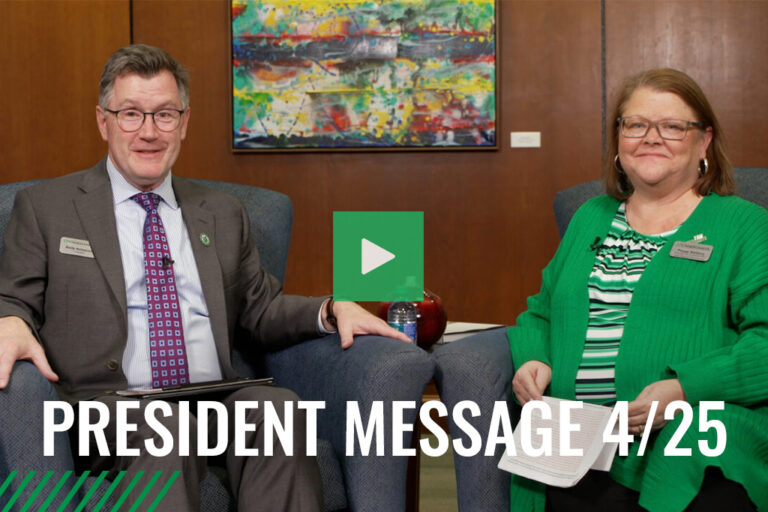
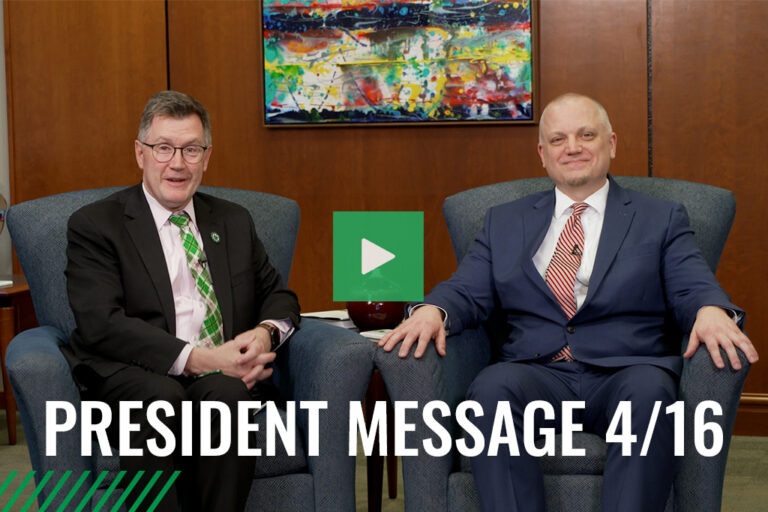
From the President
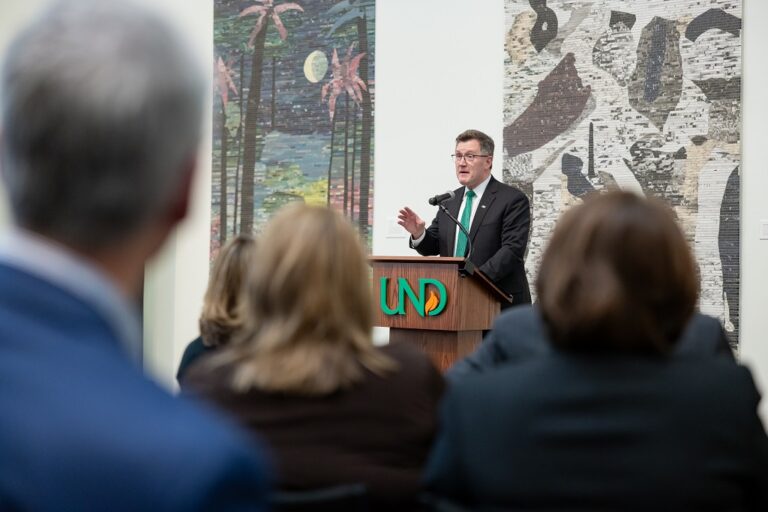
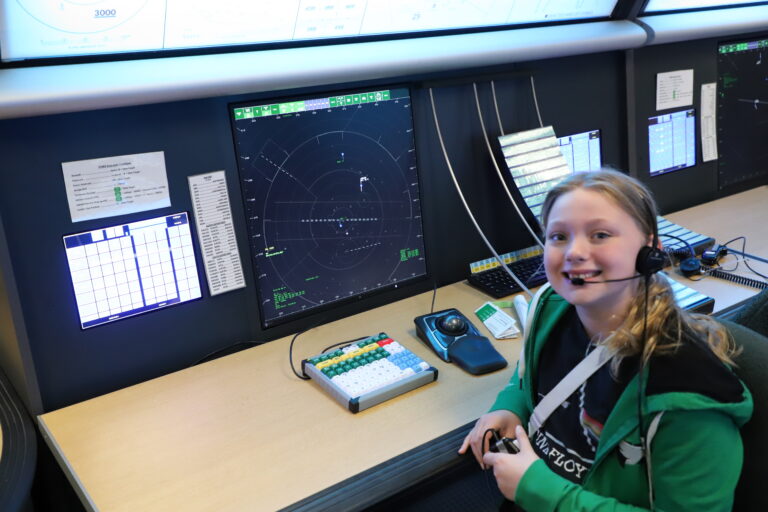
Campus Renewal
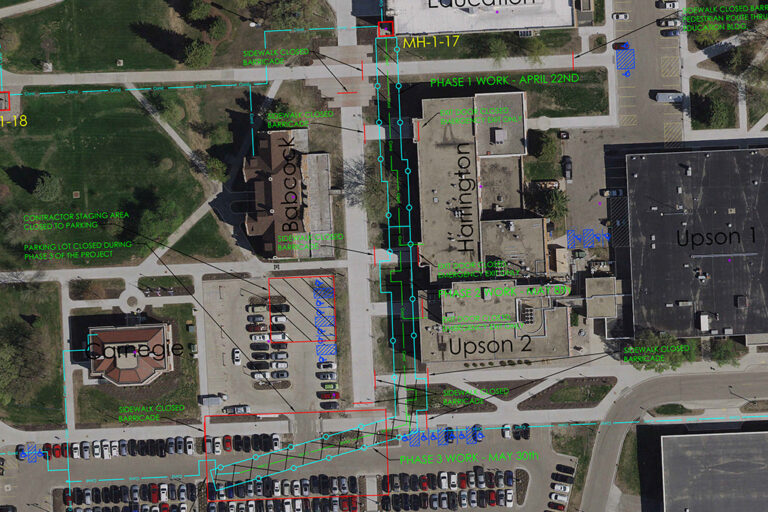
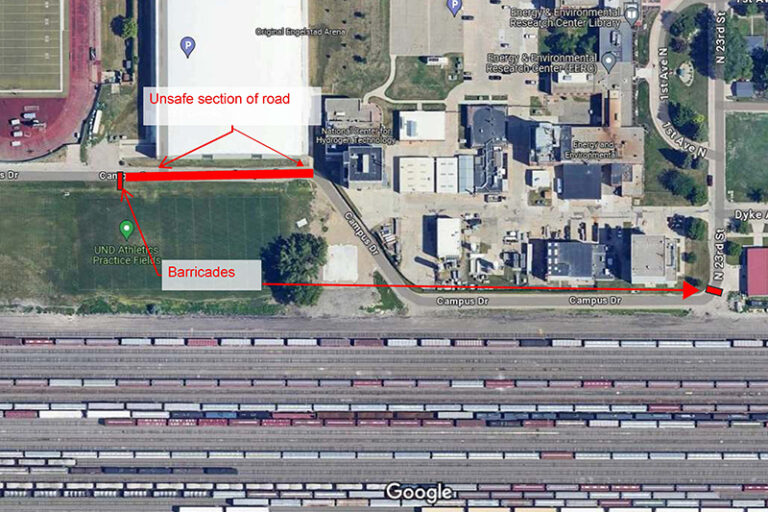
UND construction, planning and restoration updates.
UND in the News
Donald Jurivich, chair of Geriatrics at the School of Medicine & Health Sciences, cautions against diagnosing someone with dementia without a medical exam in a U.S. News & World Report feature story on the mental acuity of the leading U.S. presidential candidates.
Mental Acuity Questions Catch Up Wtih Trump
The Plexuss Presidential Podcast series sits down with UND President Andy Armacost to get his thoughts and insights on the state of higher education in America.
The Plexuss President Podcast series featuring UND President Armacost
Melanie Nadeau, interim chair of the UND Indgenous Health doctoral program, tells CNN that the University’s goal is to develop graduates who will go out and connect with communities.
UND Assistant Professor of Law Paul Traynor provides expert commentary for WalletHub and MoneyGeek in their latest insurance analyses.
WalletHub: Amica Insurance Review
MoneyGeek: Insurance 101: Definition, Components and Benefits
MoneyGeek: General Liability Insurance Coverage
Dr. Beth Bjerke, associate dean for UND Aerospace, talks about the nationwide pilot shortage and mental health issues impacting the aviation industry on Prairie Public Broadcasting's "Prarie Pulse" program.
Melanie Nadeau, interim chair of UND's Indigenous Health doctoral program, on how its first grads are connecting with Native communities CNN, Nov. 30, 2023I am so hopeful, because our students -- they are going to change the world.
,
UND faculty and industry experts can provide insight and analysis on topics they’ve researched and taught.
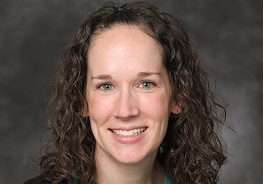
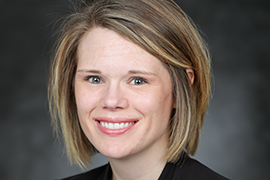
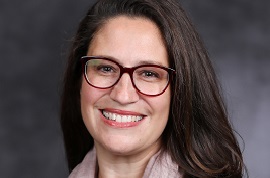
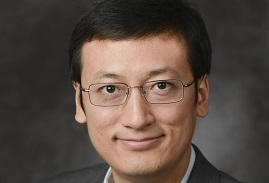
1000+ Experts
A world of knowledge.
Find experts by searching our directory by name, department or specialty. Faculty and staff update their own directory profiles.
Search DirectoryInfo for Media
News Sources
UND produces several blogs and e-newsletters for internal and external audiences. Some units also provide an electronic list of press releases for media.
Media Inquiries
Media seeking interviews or commentary from UND experts should contact:
David Dodds
Director of Communications
david.dodds@UND.edu
701.777.5529
Tom Dennis
Editor, UND Today
tom.dennis@UND.edu
701.777.6746
Media Assets
Requests for archived photography, professional headshots and video assets may be submitted to marketing@UND.edu.
FOIA Requests
Submit all Freedom of Information Act (FOIA) and other general requests for information to UND.inforequest@UND.edu. All FOIA requests are reviewed by UND General Counsel.