Recommended Reading
Read the books behind this year's UND Writers Conference, "Who Tells the Story," and join us in-person and online from March 22–24, 2027!
We warmly invite all our conference attendees and community members to enjoy the books by this year's featured authors! To learn more about this year's featured authors and the conference theme, we recommend checking out their books!
Titles by this year's featured authors will be available for purchase from the UND Bookstore or anywhere that books are sold. Books will be available for checkout by UND students, staff, and faculty at UND's Chester Fritz Library. Community members can check out books by Writers Conference authors at the Grand Forks Public Library.
Recommended Reading for "Who Tells the Story"
Learn more about the books by this year's featured authors, or use the buttons below to jump directly to a selection of each author's books. All book descriptions are provided by the publishers and/or book retailers.
Books by Jung Yun
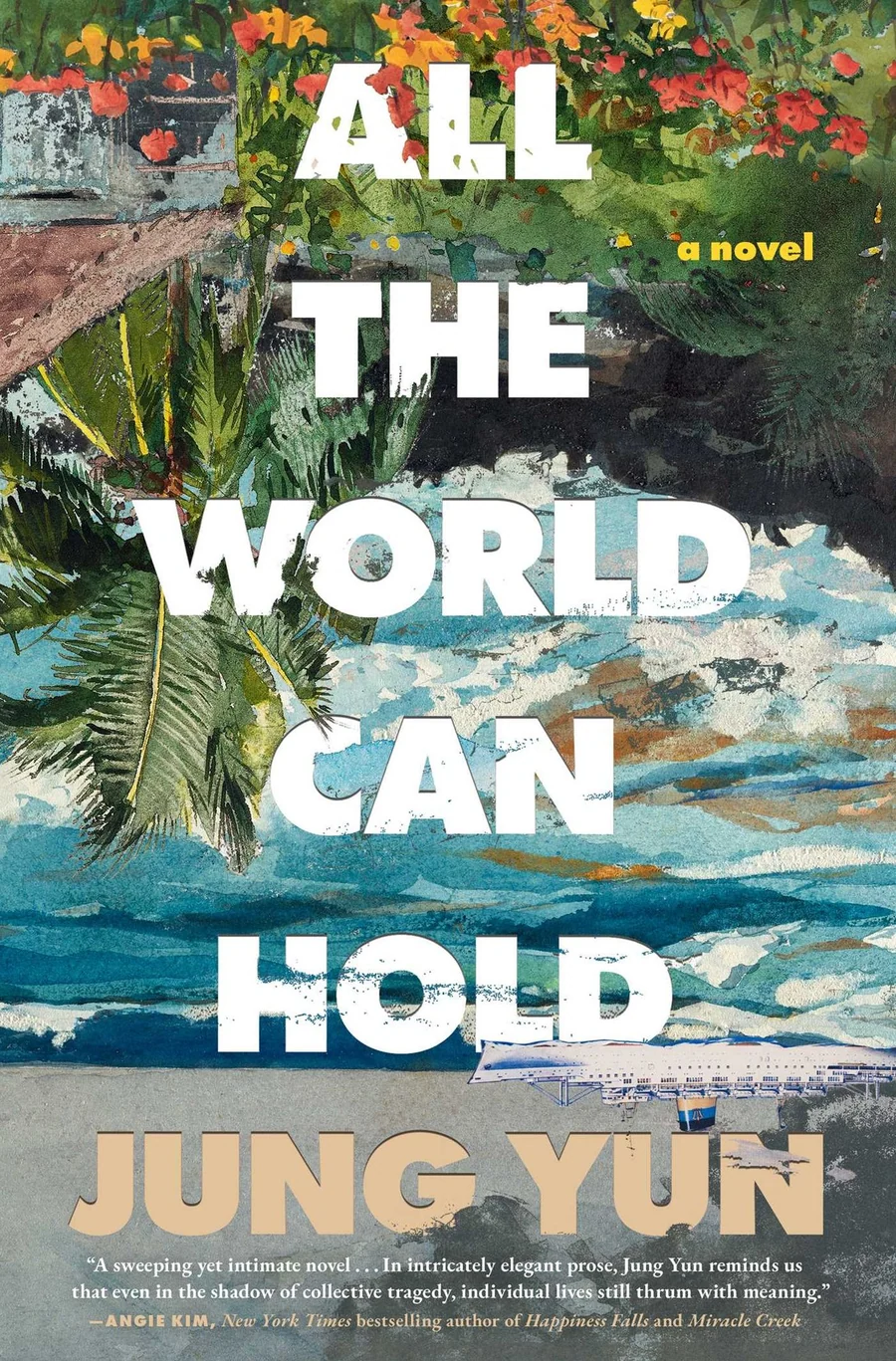
Let the Great World Spin meets My Name Is Lucy Barton in this novel set aboard an aging cruise ship bound for Bermuda, where growing tensions
lead three strangers to confront their past regrets and imagine different futures.
It’s Sunday, September 16, 2001. Franny and her husband have traded in their elegant
Park Avenue co-op for a suite on board the Sonata, a once-glittering cruise ship with
a complicated history now long past its prime. Though they’re not “cruise people,”
Franny is determined to host the trip as planned because it’s her mother’s seventieth
birthday, or chilsun, a major rite of passage celebrated by Korean families. But as
her husband keeps pointing out, Franny and her mother aren’t close, and it is surreal—even
wrong—to be on a cruise as the death toll from the attacks on 9/11 continues to rise.
Also on board is Doug, an aging actor and former star of Starlight Voyages, the hit
Love Boat–style television series famously filmed on the Sonata. With few professional
prospects, a now sober Doug has reluctantly joined his former castmates on a reunion
cruise for fans of the show, but he dreads the dark specter of his past misdeeds.
Meanwhile, Lucy, the only Black female graduate student in her department at MIT,
has uncharacteristically accepted an invitation to join her roommate on the cruise
during the height of recruitment season. Lucy’s impulsive decision reflects her growing
ambivalence about the tech companies that are trying to hire her, including a new
one with a strange-sounding name, Google.
All the World Can Hold beautifully explores how we balance our needs and our wants, as well as the regrets
we live with and the chances to set them right. And though it’s not a 9/11 novel,
it does remind us that while the great world spins, the interpersonal dramas don’t
cease, even as more dire ones play out in the larger world.
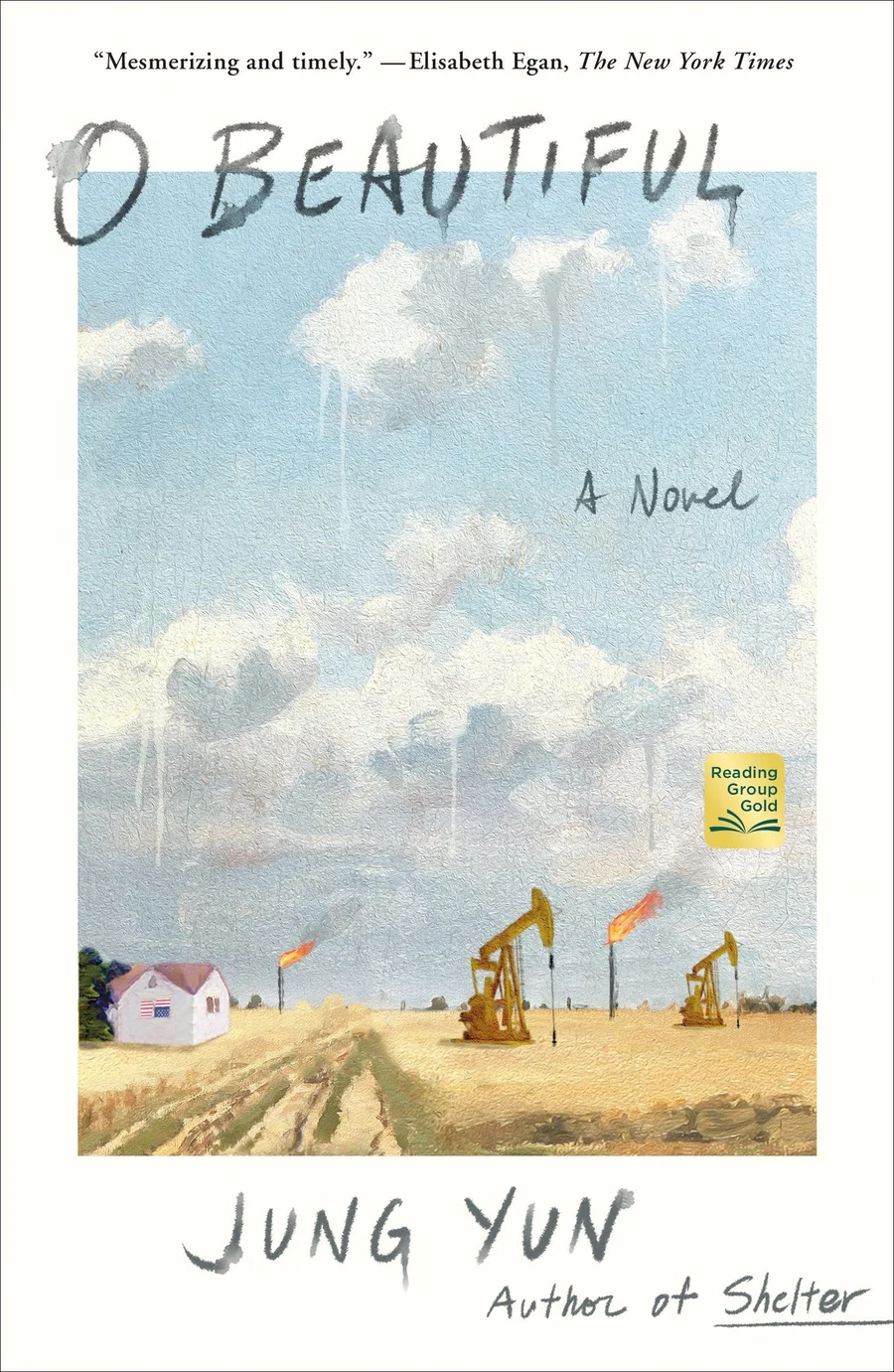
Jung Yun's O Beautiful is a "mesmerizing and timely" (New York Times) novel about a woman trying to come to terms with the ghosts of her past and the
tortured realities of a deeply divided America.
Elinor Hanson is struggling to reinvent herself as a freelance writer when she receives
an unexpected assignment, a chance to write for a prestigious magazine about the Bakken
oil boom in North Dakota. Elinor grew up near the Bakken, raised by an overbearing
father and a distant Korean mother who met and married when he was stationed overseas.
After decades away from home, Elinor returns to a landscape she hardly recognizes,
overrun by tens of thousands of newcomers. Surrounded by roughnecks seeking their
fortunes in oil and long-time residents worried about their changing community, Elinor
experiences a profound sense of alienation and grief. The longer she pursues this
potentially career-altering assignment, the more her past intertwines with the story
she’s trying to tell, revealing disturbing new realities that will forever change
her and the way she looks at the world.
With graceful prose, Jung Yun's O Beautiful presents an immersive portrait of a community rife with tensions and competing interests,
and one woman’s attempts to reconcile her anger with her love of a beautiful, but
troubled land.
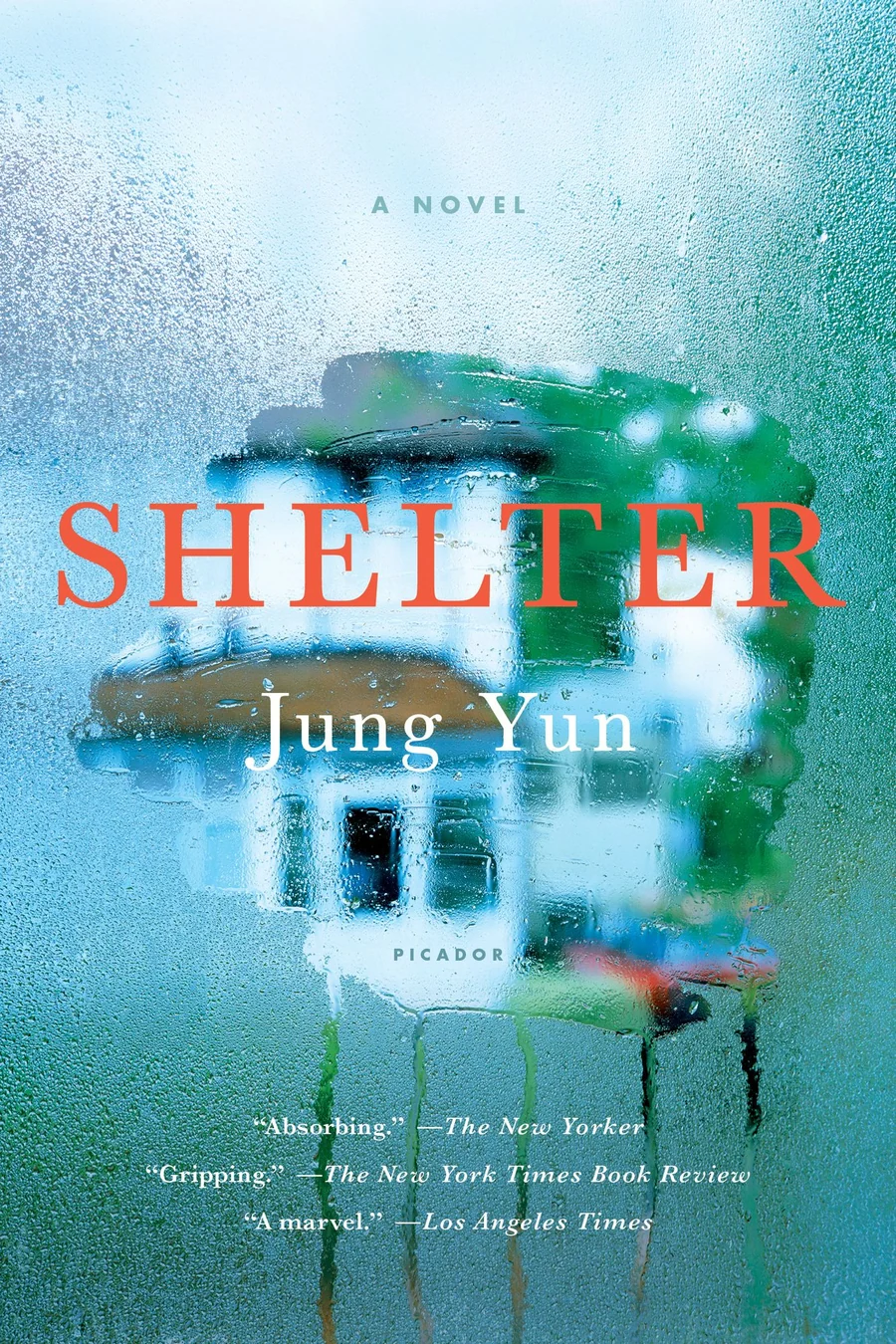
This absorbing, suspenseful début tracks familial obligation and the legacy of trauma...
The narrative piles on surprises at a tightly controlled clip, as [Kyung's] family
is forced to confront the past and the price it has paid for stability."
—The New Yorker
"Gripping...Yun shows how, although shelter doesn’t guarantee safety and blood doesn’t
guarantee love, there’s something inextricable about the relationship between a child
and a parent…Shelter is captivating.”
—The New York Times Book Review
"I read the greater part of Jung Yun's Shelter in a 14-hour sitting, interrupted by only five hours of sleep. I was on a trip, with
other people, but I couldn't do anything until I was finished; Yun's debut may be
a family drama, but it has all the tension of a thriller. It's a sharp knife of a
novel—powerful and damaging, and so structurally elegant that it slides right in....it
gets better and richer with every page...Like the writer's version of a no-hitter,
Shelter is a marvel of skill and execution, tautly constructed and played without mercy."
—Steph Cha, Los Angeles Times
Kyung Cho is a young father burdened by a house he can’t afford. For years, he and
his wife, Gillian, have lived beyond their means. Now their debts and bad decisions
are catching up with them, and Kyung is anxious for his family’s future.
A few miles away, his parents, Jin and Mae, live in the town’s most exclusive neighborhood,
surrounded by the material comforts that Kyung desires for his wife and son. He can
hardly bear to see them now, much less ask for their help. Yet when an act of violence
leaves Jin and Mae unable to live on their own, the dynamic suddenly changes, and
Kyung is compelled to take them in. For the first time in years, the Chos find themselves
living under the same roof. Tensions quickly mount as Kyung’s proximity to his parents
forces old feelings of guilt and anger to the surface, along with a terrible and persistent
question: how can he ever be a good husband, father, and son when he never knew affection
as a child?
Books By Téa Obreht
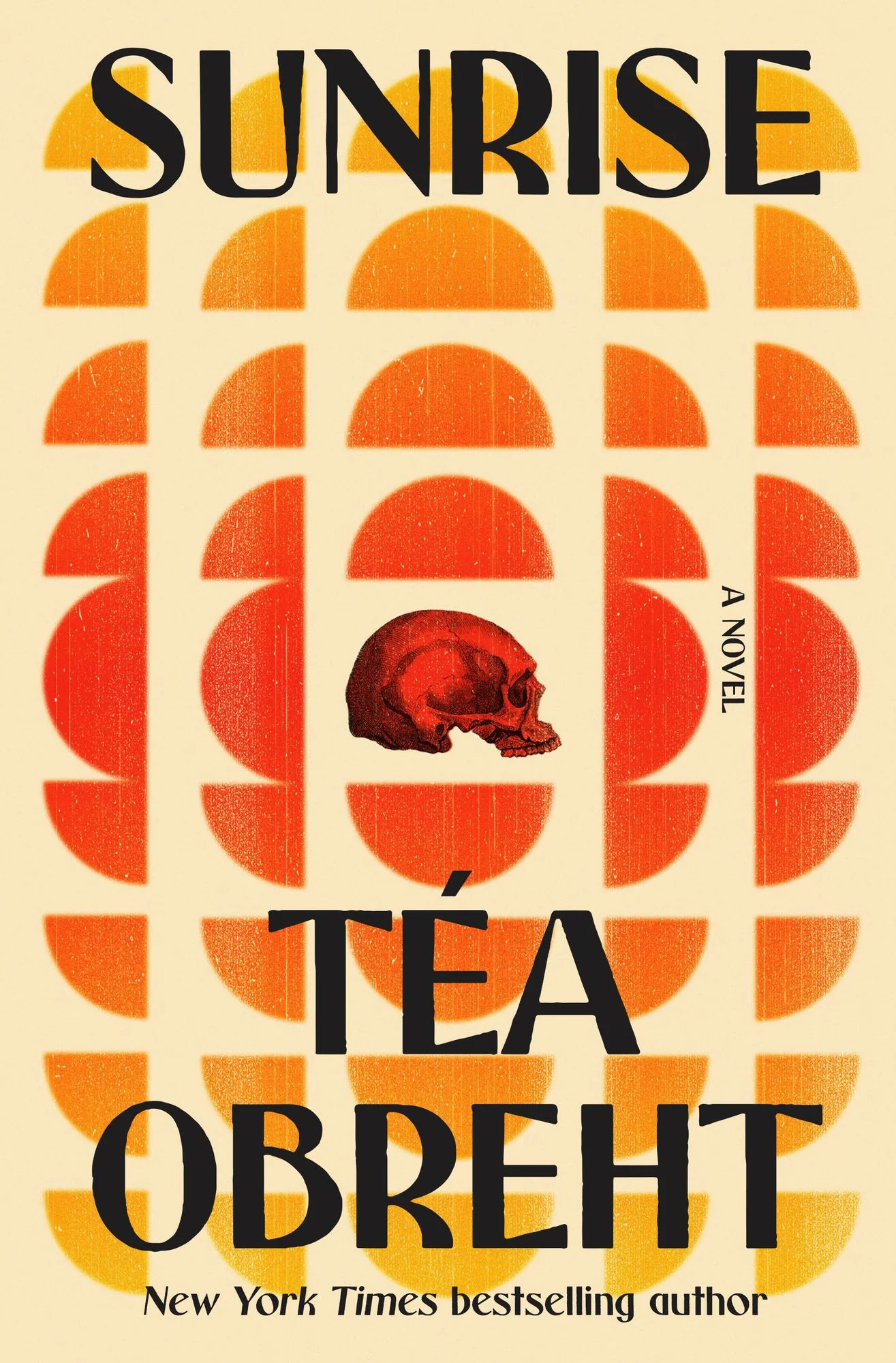
NATIONAL BESTSELLER * Three lives, one hundred years, one ghost town: an explosive
novel about a mysterious place called Sunrise, where the secrets of the past refuse
to stay buried, from the award-winning author of The Tiger's Wife
"Masterful . . . [Obreht] delightfully mashes up several genres, including Western
gothic, murder mystery and survival saga."
–The New York Times Book Review
"I've loved every book Téa Obreht has written but I might love this one the most.
Please put this book into the hands of everyone you know."
–Liz Moore, author of The God of the Woods
In 2024, Nina's small-engine plane crashes into a lake in the Wyoming mountains. Her boyfriend
Ben, who was flying it, is nowhere to be found. Lost and freezing on the shore, Nina
is armed with only a few old protein bars, a phone with no service, and a vague hope
of rescue. It is up to her to survive in the vast wilderness. But then she stumbles
upon Sunrise-a town of the Old West that is strangely well maintained, but seemingly
abandoned. A place that holds the missing link to a ghost story one hundred years
in the making.
In 2003, local golden boy Coll is putting the finishing touches on the town's annual historical
reenactment. But when an upstart would-be author comes to him with questions about
one of Sunrise's most beloved figures, it threatens to upend everything he thought
he knew about the city-and himself.
In 1902, town founder, gunslinger, and legendary pulp hero Anton Vargas returns to Sunrise
and quickly takes charge of a group searching for a missing boy. But who really is
Vargas? What does he know about the boy's disappearance? And why has he returned after
such a long absence?
These three strangers are separated by time and circumstance. But Sunrise's many secrets
are like gunpowder: quiet, contained, until they encounter a spark. Magisterial and
suspenseful, Téa Obreht's novel challenges the myths we think we know: of heroes and
villains, of the people and places to which we lay claim, and, most of all, of our
own lives.
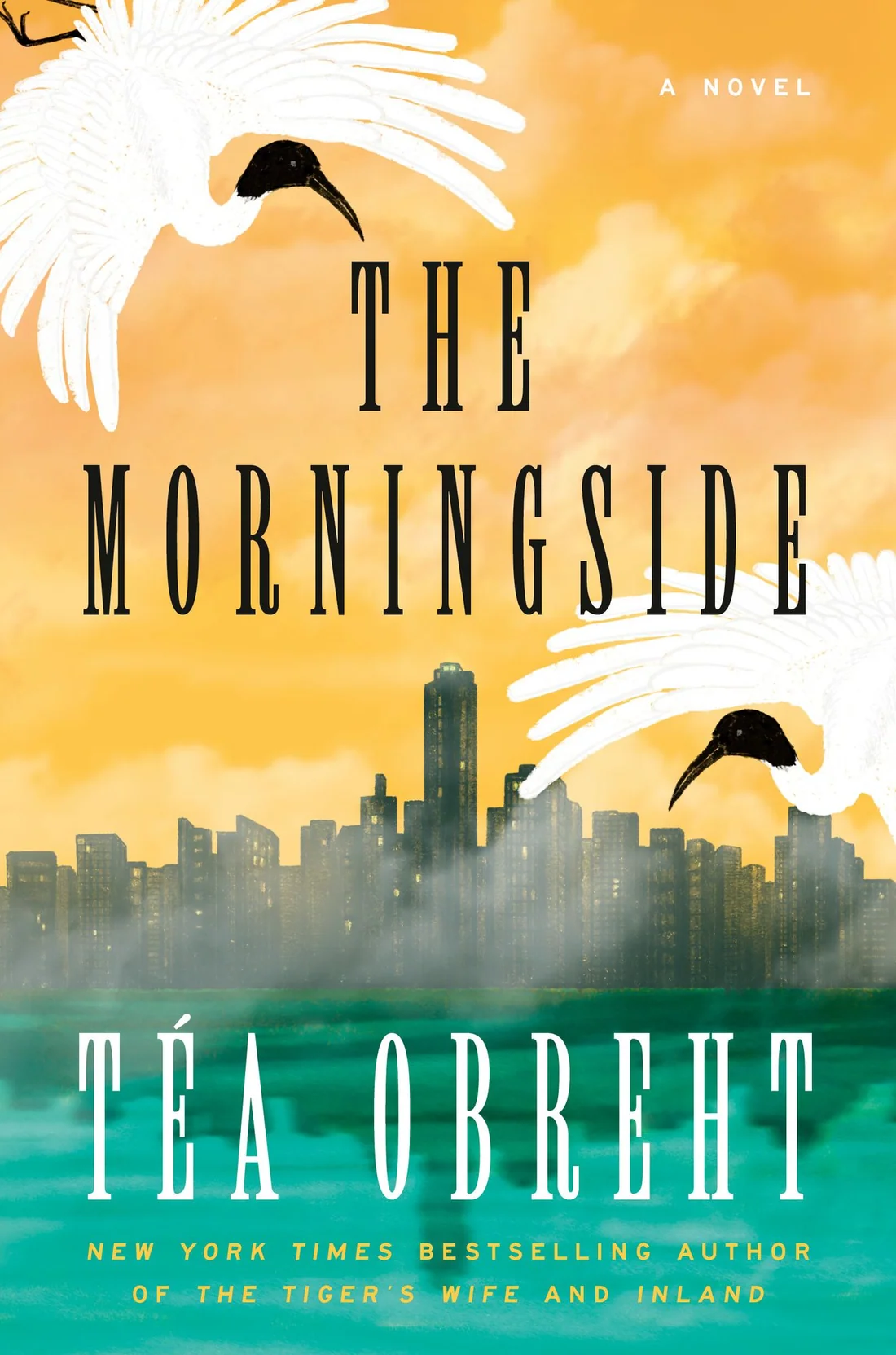
“A touching, inventive novel about belonging and loss” (People) from the critically beloved, New York Times bestselling author of The Tiger’s Wife and Inland
“I marveled at the subtle beauty and precision of Obreht’s prose. . . Read in the
context of today’s conflicts and injustices, climate emergencies, and political and
racial divisions—together more dystopian than any dystopian novel—the book surprised
me most with its undercurrent of hope.”
–Jessamine Chan, author of The School for Good Mothers, in The New York Times (Editors’ Choice)
A LIT HUB AND CHICAGO PUBLIC LIBRARY BEST BOOK OF THE YEAR • SHORTLISTED FOR THE CLIMATE FICTION
PRIZE • LONGLISTED FOR THE JOYCE CAROL OATES PRIZE
There’s the world you can see. And then there’s the one you can’t. Welcome to the
Morningside.
After being expelled from their ancestral home in a not-so-distant future, Silvia
and her mother finally settle at the Morningside, a crumbling luxury tower in a place
called Island City where Silvia’s aunt Ena serves as the superintendent. Silvia feels
unmoored in her new life because her mother has been so diligently secretive about
their family’s past, and because the once-vibrant city where she lives is now half-underwater.
Silvia knows almost nothing about the place where she was born and spent her early
years, nor does she fully understand why she and her mother had to leave. But in Ena
there is an opening: a person willing to give the young girl glimpses into the folktales
of her demolished homeland, a place of natural beauty and communal spirit that is
lacking in Silvia’s lonely and impoverished reality.
Enchanted by Ena’s stories, Silvia begins seeing the world with magical possibilities
and becomes obsessed with the mysterious older woman who lives in the penthouse of
the Morningside. Bezi Duras is an enigma to everyone in the building: She has her
own elevator entrance and leaves only to go out at night and walk her three massive
hounds, often not returning until the early morning. Silvia’s mission to unravel the
truth about this woman’s life, and her own haunted past, may end up costing her everything.
Startling, inventive, and profoundly moving, The Morningside is a novel about the stories we tell—and the stories we refuse to tell—to make sense
of where we came from and who we hope we might become.
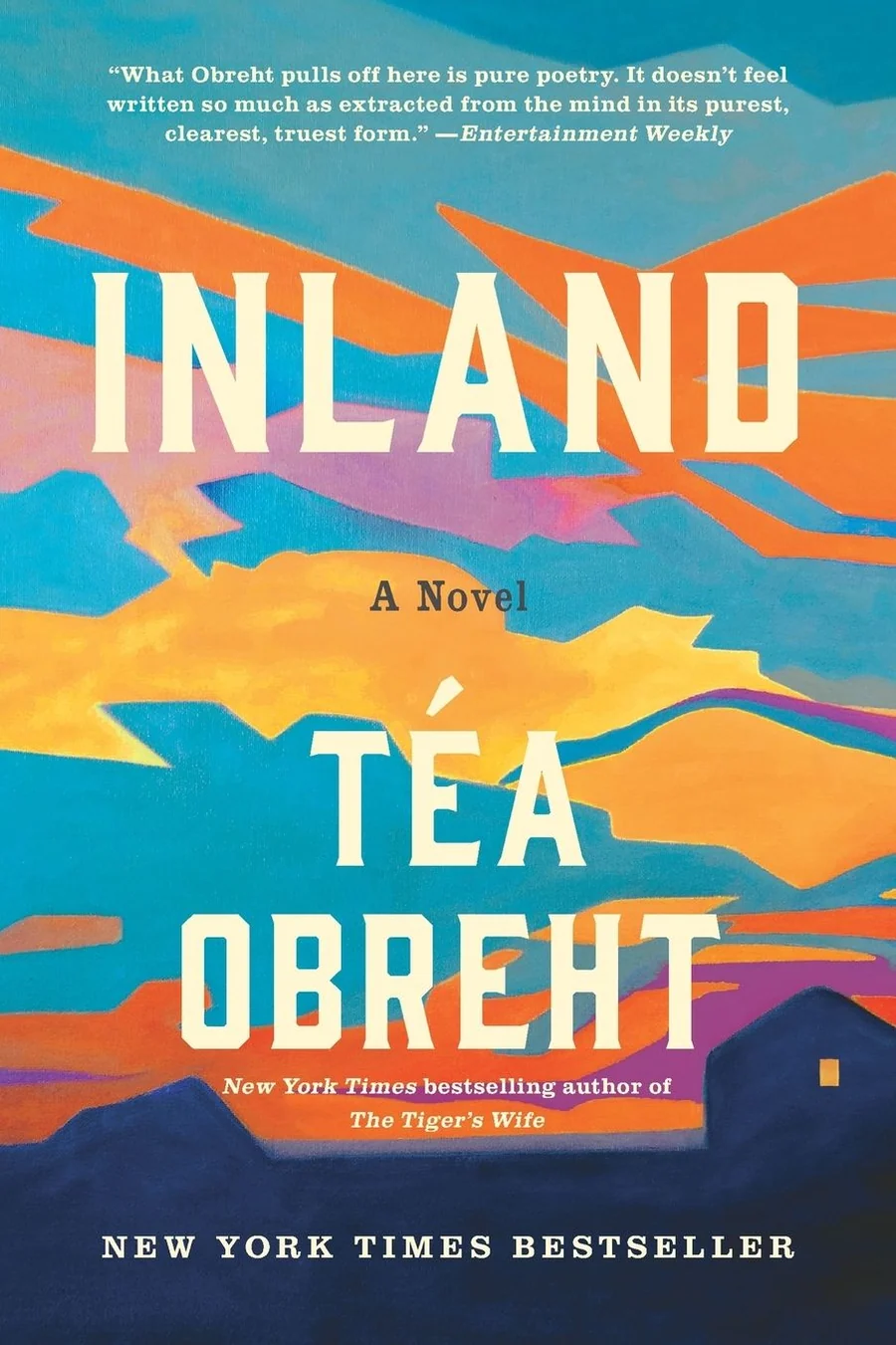
NEW YORK TIMES BESTSELLER * ONE OF BARACK OBAMA'S FAVORITE BOOKS OF THE YEAR * "A bracingly epic
and imaginatively mythic journey across the American West" (Entertainment Weekly), from the celebrated author of The Tiger's Wife and The Morningside
"Obreht's simple but rich prose captures and luxuriates in the West's beauty and sudden
menace."
–The New York Times Book Review (Editors' Choice)
A BEST BOOK OF THE YEAR: Time, The Washington Post, Entertainment Weekly, Esquire, Real Simple, Good Housekeeping,
Town & Country,The New York Public Library, Kirkus Reviews, Library Journal, BookPage
In the lawless, drought-ridden lands of the Arizona Territory in 1893, two extraordinary
lives unfold. Nora is an unflinching frontierswoman awaiting the return of the men
in her life-her husband, who has gone in search of water for the parched household,
and her elder sons, who have vanished after an explosive argument. Lurie is a former
outlaw and a man haunted by ghosts. He sees lost souls who want something from him,
and he finds reprieve from their longing in an unexpected relationship that inspires
a momentous expedition across the West.
Mythical, lyrical, and sweeping in scope, Inland is grounded in true but little-known history. It showcases all of Téa Obreht's talents
as a writer, as she subverts and reimagines the myths of the American West, making
them entirely-and unforgettably-her own.
Longlisted for the Andrew Carnegie Medals for Excellence in Fiction

NEW YORK TIMES BESTSELLER * NATIONAL BOOK AWARD FINALIST * The instant classic debut novel from the author of Inland and The Morningside, hailed as "a thrilling beginning to what will certainly be a great literary career"
(Elle)
"Spectacular . . . [Téa Obreht] spins a tale of such marvel and magic in a literary
voice so enchanting that the mesmerized reader wants her never to stop."
–Entertainment Weekly
"Not since Zadie Smith has a young writer arrived with such power and grace."
–Time
ONE OF THE TEN BEST BOOKS OF THE YEAR: Michiko Kakutani, The New York Times; Entertainment Weekly; The Christian Science Monitor; The Kansas
City Star; Library Journal
In a Balkan country mending from war, Natalia, a young doctor, is compelled to unravel
the mysterious circumstances surrounding her beloved grandfather's recent death. Searching
for clues, she turns to his worn copy of The Jungle Book and the stories he told her of his encounters over the years with "the deathless man."
But most extraordinary of all is the story her grandfather never told her-the legend
of the tiger's wife.
Weaving a brilliant latticework of family legend, loss, and love, Téa Obreht, hailed
by Colum McCann as "the most thrilling literary discovery in years," has spun a timeless
novel that will establish her as one of the most vibrant, original authors of her
generation.
ONE OF THE BEST BOOKS OF THE YEAR: The Wall Street Journal, O: The Oprah Magazine, The Economist, Vogue, Slate, Chicago
Tribune, The Seattle Times, Dayton Daily News, Publishers Weekly, Alan Cheuse, NPR's All Things Considered
Books by Jennifer Eli Bowen
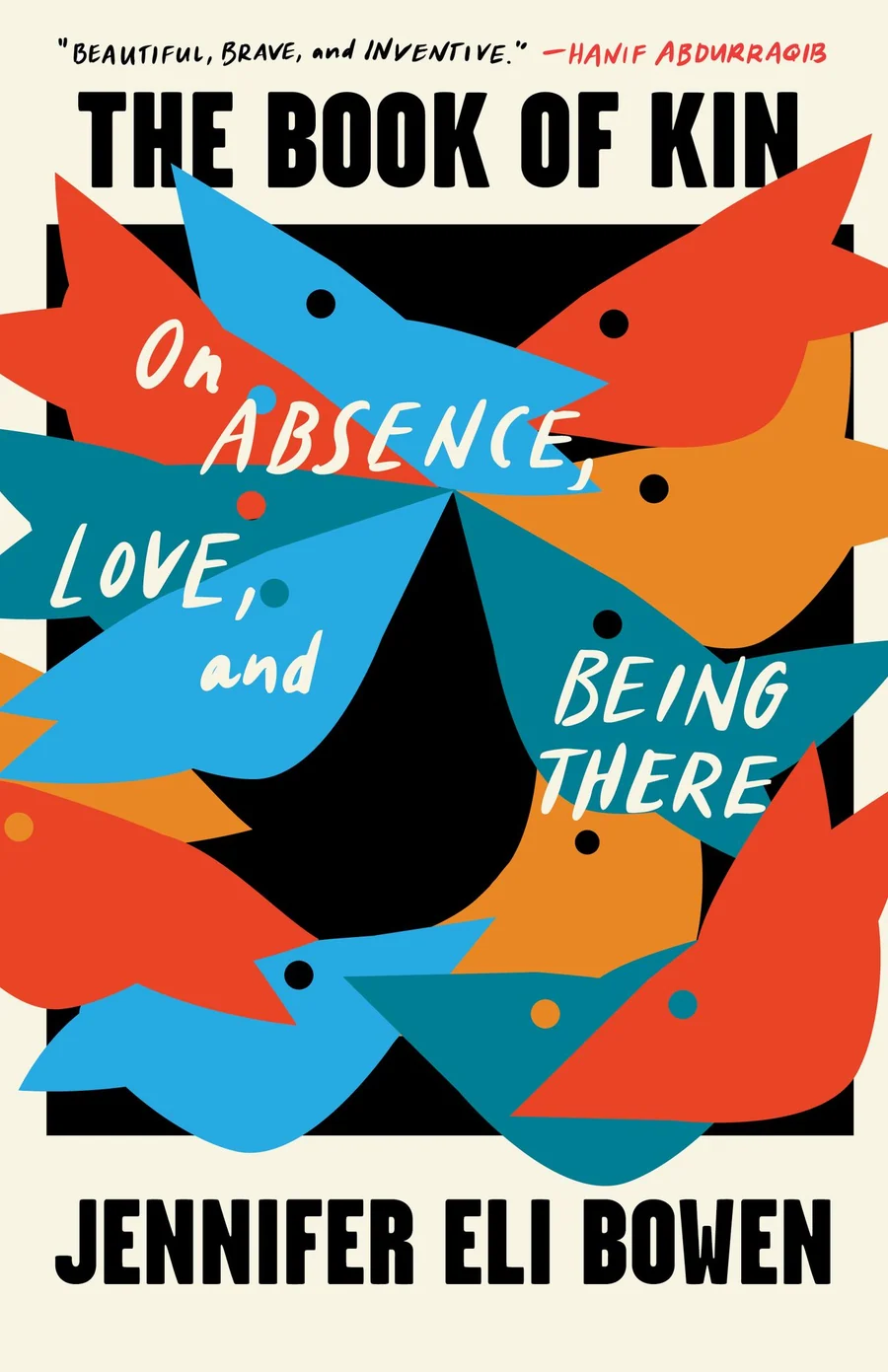
Finalist for the Minnesota Book Award
"The Book of Kin is an expansive experience . . . beautiful, brave, and inventive."
—Hanif Abdurraquib
A remarkable debut that explores the imperfect ways we care for one another, and how we seek repair when care fails.
“What’s our obligation to each other?” asks Jennifer Eli Bowen in this propulsive exploration of community, solitude, and love. Drawing on her experiences as a mother, daughter, and founder of the Minnesota Prison Writing Workshop, the country’s largest and most enduring prison-based literary organization, she examines the wild spectrum of shapes that care can take. She investigates the role of community across the world and in her own neighborhood, driven by a curiosity to uncover what might be gleaned from various vanishments in her own life: the shadow of her father, disappeared backyard chickens, a Moleskine notebook that passes in and out of her Little Free Library.
Tracing both connection and its lack, Bowen uncovers what happens when it’s missing, how we find it, and how it heals individuals, communities, and systems—from the incarcerated caretakers of newborn foals in Norway to the time-bending drama of watching children grow into adults. And through this winding quest to understand love, she moves readers out of their complacency not only about the state of American incarceration, but about what we owe ourselves and society.
Unflinching, vulnerable, and surprisingly funny, The Book of Kin encourages us not to abandon each other, reminding us that "harm is shared, and healing is too."
Books by Kristine Langley Mahler
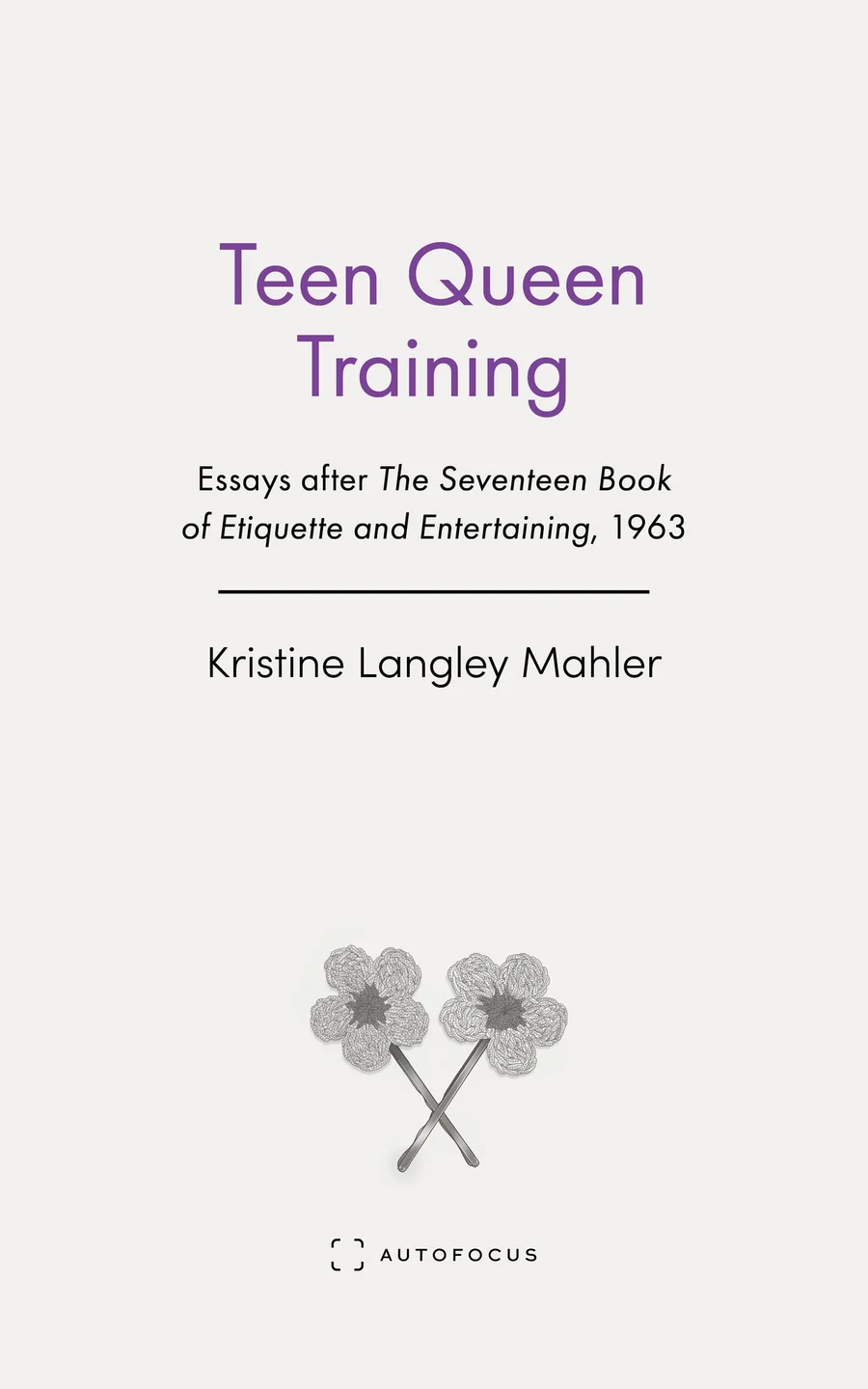
"Teen Queen Training’s plaintext message turns out to be about the pressure on young women to erase parts
of themselves for the pleasure of the male world. By laying bare this demand, Mahler
empowers readers to reject it and reclaim their complete selfhood."
—Colorado Review
Desperate to know what behaviors would produce the “right” adolescence, during the late 1990s Kristine Langley Mahler sought instruction from outdated etiquette guides and Seventeen magazine to subdue her central fear: how to convince someone to choose her. Twenty years later, married and mothering three adolescent daughters of her own, Mahler stumbles upon a 1963 edition of The Seventeen Book of Etiquette and Entertaining—elegant, archaic directives that push her right back into her old frustrations and propel the creation of Teen Queen Training: a series of 26 erasure essays created from its 26 chapters, illuminating the differences between what she was told and what she really learned.

“A Calendar is a Snakeskin strikes me as a book about the act of reading itself, if shifting ghosts form the
letters that cast our words into stories, and if the house that is haunted is the
text within. Kristine Langley Mahler’s oracular essays model ways to read the complex
world of the living—crowded as it is with relations, joys, difficulties—while providing
a light capable of navigating the inner catacombs of memory and uncertainty. Sometimes,
this remarkable book reminds, the ghost that wakes us in the night is a guide that
knows the secret way to who we are becoming.”
—Selah Saterstrom, author of Ideal Suggestions and Rancher
“Ghosts thread A Calendar Is a Snakeskin like stars pinhole the astrological sky, making a home in time. This book is a talisman
of stone, of milk. It dreams and sheds its skin and lights our path beautifully, generously,
past the edge of the known.”
—Dennis James Sweeney, author of You’re the Woods Too
“Navigating the animal, mineral, and astrological talismans collected in A Calendar is a Snakeskinis a reminder to hold space for magic and find comfort in the tension and ghosts of
our ancestry. Facing the fear of who she really is, as Langley Mahler writes, ‘needs
to be met with trust because the universe will bring us into the places we need to
face.’ The moon and its eternal pull guides us as does this dreamy book.”
—Megan Culhane Galbraith, author of The Guild of the Infant Saviour: An Adopted Child’s Memory Book
Kristine Langley Mahler is tracking the signs. The year she turns thirty-eight, she keeps finding snakes, bears, ghosts, and ancestors at her doorstep, pointing toward the person she needs to become. As an eclipse approaches, she begins to follow their demands and account for their presence. Clutching the milky quartz she finds in a New Mexican canyon and picking up the pebbles dropped by returning ghosts on her bedroom floor, Mahler excavates personal meaning from astrology, tarot, mothering, siblinging, and homesickness throughout the three connected essays of A Calendar is a Snakeskin, a noctuary of a year marked by the shedding of selves and fears.
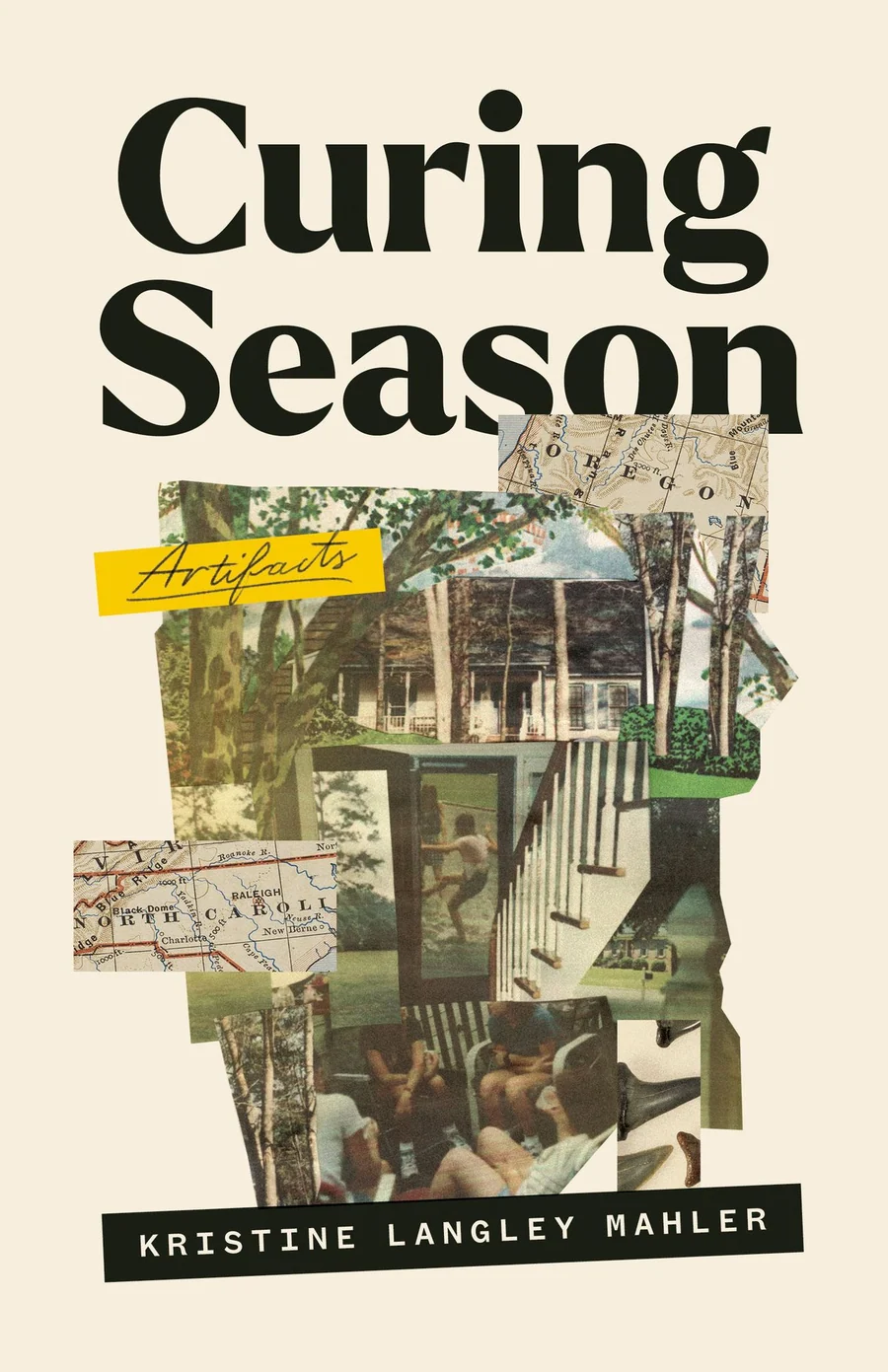
“An exquisite, aching memoir of adolescent girlhood. . . . Treasures await.”
—Minneapolis Star Tribune
“A lovely and rapturous excavation and examination of the past, a lesson in writing
oneself into history when it doesn’t offer you a space.”
—Jenny Boully, author of Betwixt-and-Between: Essays on the Writing Life
After spending four years of adolescence in suburban North Carolina, Kristine Langley
Mahler, even as an adult, is still buffeted by the cultural differences between her
pioneer-like upbringing in Oregon and the settled southern traditions into which she
could never assimilate. Collecting evidence of displacement—a graveyard in a mall
parking lot, a suburban neighborhood of white kids bused to desegregate public schools
in the 1990s, and the death of her best friend—Curing Season is an attempt to understand her failed grasp at belonging.
Mahler’s yearning for acceptance remains buried like a splinter, which she carefully
tweezes out in the form of artifacts from her youth. But it isn’t until she encounters
a book of local family histories that she takes inhabitation and truth apart, grafting
and twisting and imprinting her history on theirs, until even she can no longer tell
the difference between their truth and her own. Using inventive essay forms, Mahler
pries apart the cracks of exclusion and experiments with the nature of belonging,
memory, and place. Curing Season is a coming-of-age memoir for anyone who grew up anywhere but home.