What Can You Do With a Medical Laboratory Science Degree?
Every accurate diagnosis and treatment plan relies on the work of medical laboratory professionals.
Request Information
These specialists analyze blood samples, identify pathogens, and perform complex tests that physicians rely on daily. A medical laboratory science degree opens doors to diverse career paths that combine scientific expertise with direct impact on patient care.
Some people are drawn to hospital labs, others to research environments, and some find themselves interested in newer areas like genetic testing. This degree gives you the foundation to move in more than one direction. Taking the time to understand your options can make it easier to map out a path that fits your interests and your long-term professional goals.
Key Takeaways
- Medical laboratory science graduates work in hospitals, research facilities, public health labs, and biotech companies.
- Career options include clinical testing, research, quality control, and specialized diagnostic roles.
- Medical laboratory science graduates can move beyond traditional lab roles into forensic science, genetic testing, and emerging data-driven positions shaped by automation, analytics, and AI.
What Does a Medical Laboratory Science Degree Prepare You For?
A medical laboratory science degree prepares you to play a critical role in healthcare, often behind the scenes, but right at the center of diagnosis and treatment. Through hands-on training and advanced coursework, students learn how diseases are detected, tracked, and understood through laboratory testing. You gain experience with diagnostic technologies, quality control procedures, and clinical analysis, building skills physicians depend on every single day.
Students develop strong foundations in hematology, clinical chemistry, microbiology, immunology, and molecular diagnostics. The training places a heavy emphasis on accuracy, attention to detail, and analytical thinking. Every test result you generate carries real weight. Those numbers and findings influence diagnoses, guide treatment plans, and determine outcomes.
Medical Laboratory Science Career Paths
Medical laboratory science offers a wide range of career options across healthcare, research, government, and industry. While many graduates begin their careers in clinical laboratories, the field extends well beyond hospital walls, allowing professionals to specialize or move into emerging areas over time.
Clinical Laboratory Roles
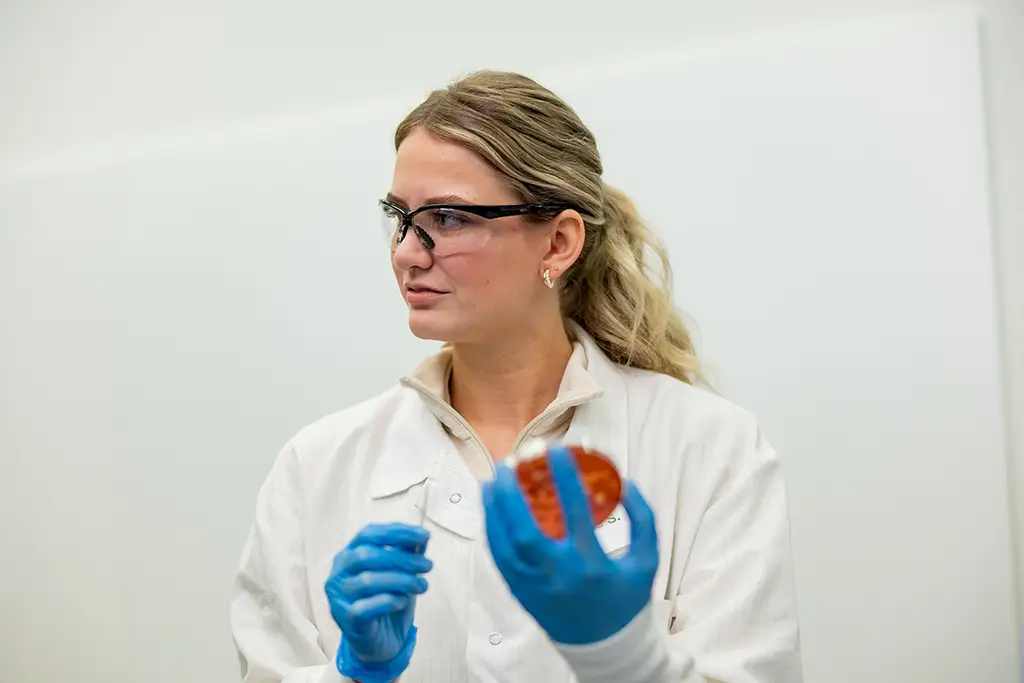
Hospital and clinic laboratories employ a large share of medical laboratory scientists. These roles are essential to daily patient care, supporting everything from routine checkups to urgent, life-saving decisions.
Medical Laboratory Scientist / Clinical Laboratory Scientist
These professionals work across multiple laboratory departments, performing complex tests and verifying results. They monitor quality control, troubleshoot equipment when something isn't quite right, and ensure testing accuracy. In many settings, they also mentor newer staff or oversee specific laboratory sections.
Blood Bank Technologist
Specialists in transfusion medicine, blood bank technologists perform blood typing, compatibility testing, and antibody identification. Their work helps ensure patients receive safe blood products during surgeries, emergencies, and long-term treatments — often under significant time pressure.
Microbiology Technologist
Microbiology technologists identify the organisms responsible for infections. They culture bacteria, fungi, and viruses, perform antibiotic susceptibility testing, and use molecular techniques to support faster diagnosis. Their work plays a key role in infection control and treatment decisions.
Hematology Technologist
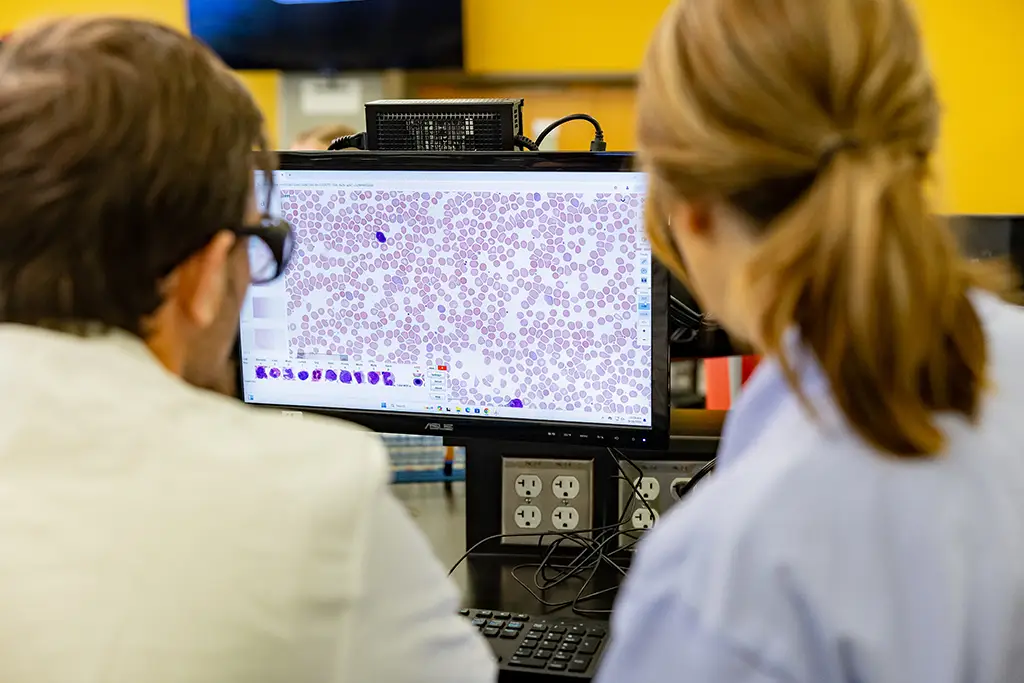
Focused on blood cell analysis, these specialists examine blood samples for abnormalities, operate automated analyzers, and help detect conditions such as anemia, clotting disorders, and blood cancers.
Immunology Technologist
These professionals study how the immune system responds to disease. Their testing helps identify autoimmune disorders, allergies, and immune deficiencies, supporting both accurate diagnosis and long-term disease management.
Research and Biotechnology Roles
For those interested in discovery and innovation, medical laboratory science also opens the door to careers in research and biotechnology.
Research Assistant / Research Technologist
Working in academic, clinical, or pharmaceutical research labs, these professionals help design and carry out experiments, collect and organize data, and support studies that move medical knowledge forward. It's detailed work, often behind the scenes, but it plays a direct role in developing new treatments and improving patient care.
Molecular Diagnostics Technologist
Specialists in this rapidly growing area analyze DNA and RNA to detect genetic conditions, cancer markers, and infectious diseases. Their work supports personalized medicine and targeted therapies, helping clinicians make more precise treatment decisions based on a patient's unique genetic profile.
Biotechnology Laboratory Technician
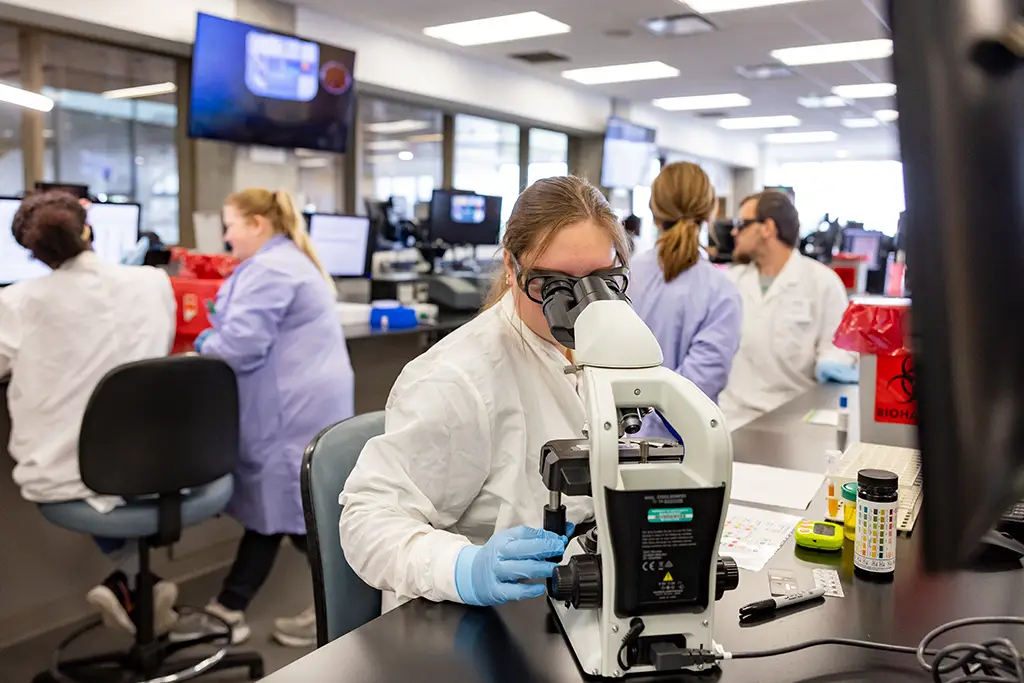
In biotechnology and pharmaceutical companies, laboratory scientists help develop and test new diagnostic tools. They may participate in clinical trials, assist with product validation, and support regulatory approval processes that bring new technologies into clinical use.
Public Health and Government Roles
Medical laboratory scientists also contribute to community health and safety through work in government and public health laboratories.
Public Health Laboratory Scientist
These professionals monitor disease outbreaks, test food and environmental samples, and support public health investigations at the state and federal levels. Their work helps identify risks early and guides public health responses that protect entire communities.
Disease Surveillance Specialist
By analyzing laboratory data, these specialists track disease trends, identify emerging health threats, and support epidemiological research. The focus is often on patterns rather than individual cases, but the impact can be widespread.
Environmental Testing Technologist
These roles center on testing water, soil, and environmental samples to identify contaminants. The goal is straightforward but critical: protect public health by ensuring environments remain safe.
Industry and Corporate Roles
In the private industry, medical laboratory science graduates apply their technical knowledge in areas like product development, quality assurance, and technical support.
Medical Device or Diagnostics Specialist
Laboratory scientists in these roles help design, test, and improve diagnostic instruments and assays. They work to ensure products meet both clinical needs and regulatory standards before they reach healthcare settings.
Quality Assurance / Quality Control Technologist
These professionals focus on accuracy and compliance. They oversee testing procedures, verify equipment calibration, and ensure laboratories meet regulatory and accreditation requirements.
Laboratory Product Specialist
Combining scientific expertise with strong communication skills, these professionals train users, demonstrate products, and provide technical support for laboratory technologies used in clinical and research settings.
Non-Traditional or Emerging Roles
New technologies continue to create career opportunities in specialized areas.
Forensic and Crime Laboratory Positions
Medical laboratory science skills translate well to forensic work, including DNA analysis, toxicology testing, and evidence evaluation used in criminal investigations.
Genetic Testing and Precision Medicine Laboratories
These roles focus on analyzing genetic data to assess disease risk, guide treatment decisions, and support preventive care strategies.
As laboratory automation, data analytics, and artificial intelligence become more integrated into healthcare, additional roles are emerging in laboratory informatics and diagnostic data management, creating even more pathways for graduates over time.
Salary and Job Outlook for MLS Graduates
Medical laboratory science is closely aligned with the clinical laboratory technologist and technician roles tracked by the U.S. Bureau of Labor Statistics (BLS). These roles reflect the day-to-day work MLS graduates perform.
According to the U.S. BLS, employment in clinical laboratory roles is projected to grow by 2% from 2024 to 2034. Demand remains steady largely because diagnostic testing is essential across nearly all healthcare settings. Hospitals, outpatient clinics, public health laboratories, and specialized testing facilities continue to rely on trained laboratory professionals to support patient care and disease detection every day.
In terms of compensation, the median annual wage is $61,890, with earning potential increasing based on experience, specialization, and workplace setting. Those in the highest 10 percent — often working in advanced, supervisory, or highly specialized roles — can reach six figures over time.
For students considering medical laboratory science, these figures highlight a career path that offers dependable employment, clear advancement opportunities, and the potential for higher earnings as skills and responsibilities expand.
Advance Your Career With an MLS Degree
Medical laboratory science offers something a lot of people look for in a career but don't always find in one place: intellectual challenge and work that genuinely matters. The field supports patient care in ways that are not direct yet absolutely essential. It also offers a range of career paths, which means there's room to shape your role over time, whether that means staying close to clinical testing, moving into research and innovation, or developing deeper expertise in specialized areas.
UND's online Master of Science in Medical Laboratory Science provides advanced training for certified professionals seeking leadership roles. The 33-credit program combines generalist laboratory coursework with foundations in communication, leadership, and research. Students complete the program in 1.5–2 years full-time or 2.5–3 years part-time while continuing to work.
The curriculum prepares graduates for supervisory positions, education roles, and specialized areas like laboratory management or clinical instruction. If you're looking to expand your responsibilities and open new career doors, learning more about medical laboratory science and how advanced education fits into the field can be an important next step toward building a career that remains essential to modern healthcare and continues to evolve with it.
FAQs
Yes, these terms are used interchangeably to describe the same profession and academic field focused on diagnostic testing and laboratory analysis.
Most employers require national certification through organizations like ASCP, with specific requirements varying by state and employer.
Yes, hospitals are the primary employers of medical laboratory scientists, who perform essential diagnostic testing across multiple laboratory departments.