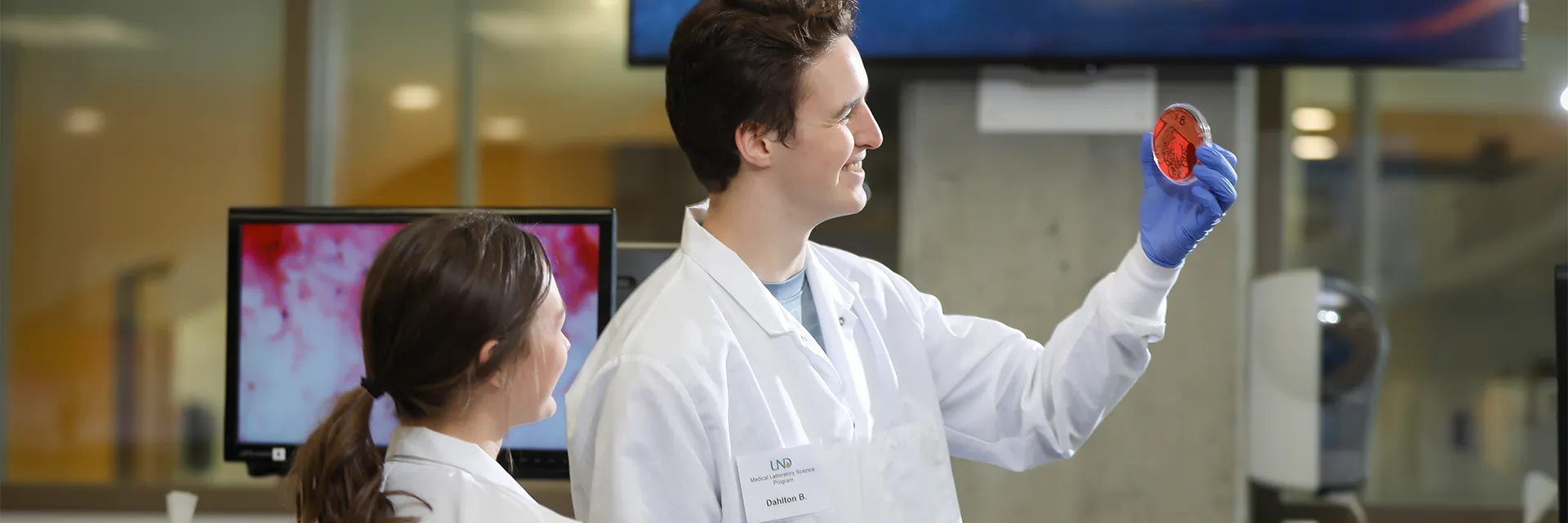
What is Medical Laboratory Science? Education and Careers
When people ask, "What is medical laboratory science?" they're essentially asking about the work behind nearly every diagnosis made in the exam room.
Request Information
Blood samples, urine tests, tissue slides, fluid panels, and many other routine checks that patients barely think about move through one place: the laboratory. This is where those samples are examined, long before a doctor reaches a conclusion. In everyday care, medical laboratory science (MLS) is what turns a doctor's early suspicions into information they can trust.
Key Takeaways
- Medical laboratory scientists analyze blood, tissue, and other specimens to support diagnosis and treatment.
- The field typically requires a bachelor's degree plus national certification.
- MLS professionals work in hospitals, research labs, public health agencies, and biotech companies.
- Specialties include hematology, microbiology, immunology, clinical chemistry, and molecular biology.
What is Medical Laboratory Science?
Medical laboratory science is a healthcare discipline built around examining biological specimens to support diagnosis and disease monitoring. MLS professionals, sometimes called medical laboratory scientists or clinical laboratory scientists, test blood, urine, tissue, and other fluids using sophisticated instruments and carefully practiced techniques.
Their work makes use of technology to help with medical decision-making. When a physician orders a complete blood count, a metabolic panel, or a culture to identify an infection, an MLS professional runs those tests, analyzes the data, and then confirms that the results meet the strict standards the lab must follow. It's a blend of technical skill and scientific reasoning.
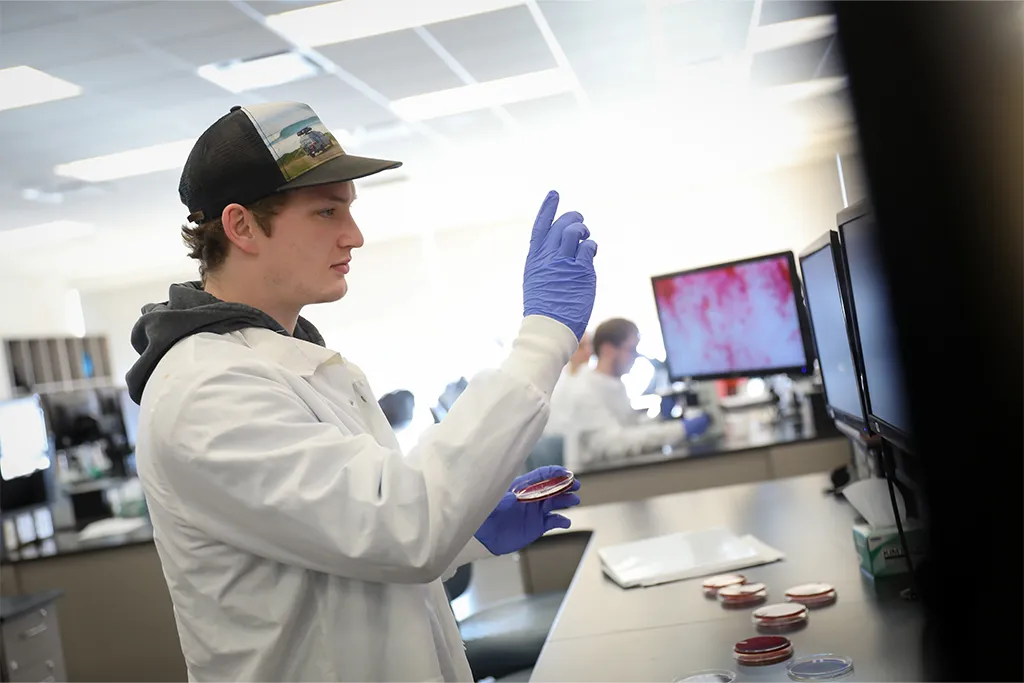
Daily responsibilities might include operating and maintaining diagnostic equipment, following quality control protocols, spotting abnormalities in results, and communicating with physicians or other care providers when something unusual appears. Every step requires accuracy. A contaminated sample or misread value could have immediate consequences for a patient.
Specialization Areas in Medical Laboratory Science
MLS professionals can focus on the general field of medical laboratory science or choose to specialize in specific branches based on their interests or their strengths. More often than not, they start with broad training, then gradually lean into the specialty that feels most compelling.
Some popular specialization areas in medical laboratory science are:
Hematology
This area deals with blood and related disorders. Specialists analyze blood cell counts, identify abnormal cells tied to conditions like leukemia or anemia, and monitor clotting issues. These tests often carry major consequences for cancer diagnosis and treatment planning.
Microbiology
This area focuses on the microorganisms, like bacteria, viruses, fungi, and parasites, that cause infections. Microbiologists culture samples, run sensitivity testing for antibiotics, and help track outbreaks, which makes their work both clinically important and rapidly changing.
Immunology
This area examines how the immune system behaves. Professionals in this area test for autoimmune diseases, allergies, and immune deficiencies in order to help clinicians understand why immune responses are excessive or insufficient.
Clinical Chemistry
This area looks at chemical markers in blood and other fluids. The numbers related to glucose levels, electrolytes, liver enzymes, hormones, metabolic health, and how well medications are working.
Molecular Biology
This area digs into DNA and RNA for genetic and diagnostic insight. Molecular specialists identify pathogens at the genetic level, detect mutations, and support personalized medicine.
Work Settings for Medical Laboratory Scientists
MLS professionals work in a wide range of environments, each with its own rhythm and responsibilities.
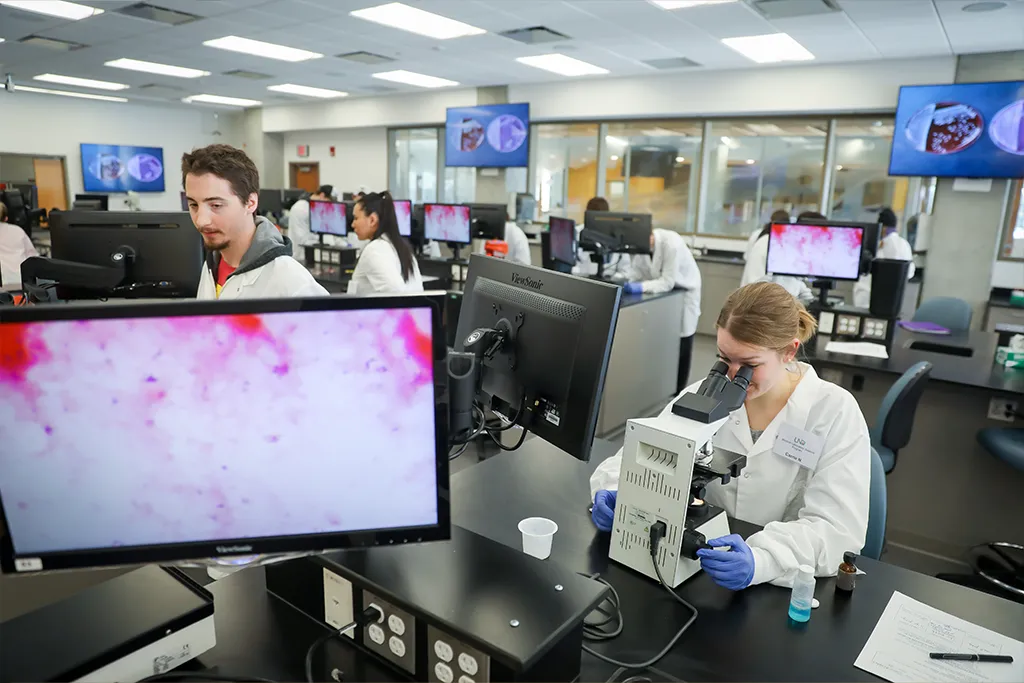
Hospitals generally employ the largest number of laboratory scientists. These labs operate around the clock because emergencies, surgeries, and inpatient care can't wait. The volume is high, the turnaround time is tight, and the work feels very connected to immediate patient outcomes.
Research laboratories, often connected to universities or pharmaceutical companies, shift the focus toward scientific discovery. MLS professionals here develop diagnostic tests, study disease pathways, and help run clinical trials.
Public health labs monitor community health. They track infectious diseases, test environmental samples, and respond to outbreaks, blending laboratory science with epidemiology.
Private diagnostic labs support multiple providers, sometimes specializing in areas like genetics, toxicology, or pathology. Biotech companies hire MLS professionals to validate new diagnostic tools and technologies.
Many MLS careers move between settings over time, pointing to a surprisingly varied professional life.
How to Become a Medical Laboratory Scientist
The path to becoming a medical laboratory scientist involves structured education, clinical training, national certification, and in some states, licensure. Most students begin with a bachelor's degree in Medical Laboratory Science or a related field such as Medical Technology or Biological Sciences. What matters most is completing a program accredited by the National Accrediting Agency for Clinical Laboratory Sciences (NAACLS), since this establishes eligibility for certification.
UND offers both a bachelor and a Master of Science in Medical Laboratory Science as well as a certificate in Medical Laboratory Science. The programs are built to accommodate different educational backgrounds, which is why students can choose from several routes. All options include hands-on clinical experience at one of UND's affiliated laboratory sites across the country.
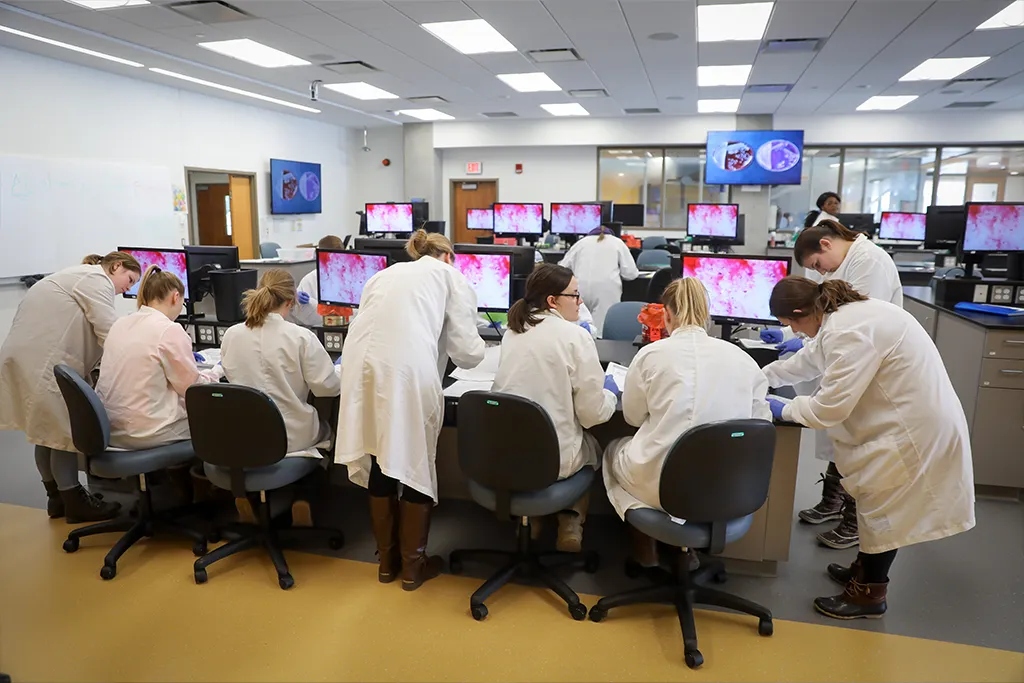
Students can follow the traditional on-campus route, earn a second bachelor's degree through an accelerated pathway, enroll through the Western College Alliance for Medical Laboratory Science (WCAMLS), join the Mayo Clinic cohort, move from MLT to MLS, or pursue a categorical certificate in specific laboratory disciplines. Each route meets the academic and clinical requirements needed for certification and prepares graduates for professional practice.
Hands-on experience is also important in one's path to joining this career. It is typically gained through clinical rotations, usually completed in hospital laboratories, blood banks, and diagnostic centers. This stage shifts students from controlled teaching labs to real diagnostic workflows, where they learn blood banking procedures, microbiology techniques, metabolic and chemical testing, and hematologic analysis under supervision. These rotations often span several months and fulfill the practical requirements for both certification and, when applicable, state licensure.
Following academic and clinical training, graduates typically seek national certification through the American Society for Clinical Pathology Board of Certification (ASCP BOC), which grants the MLS (ASCP) credential. The exam assesses knowledge in areas such as clinical chemistry, hematology, microbiology, immunology, blood banking, and laboratory operations.
Several states additionally require licensure to practice. Prospective practitioners should review guidelines through their state's Department of Health or licensing board.
Necessary Skills and Qualities
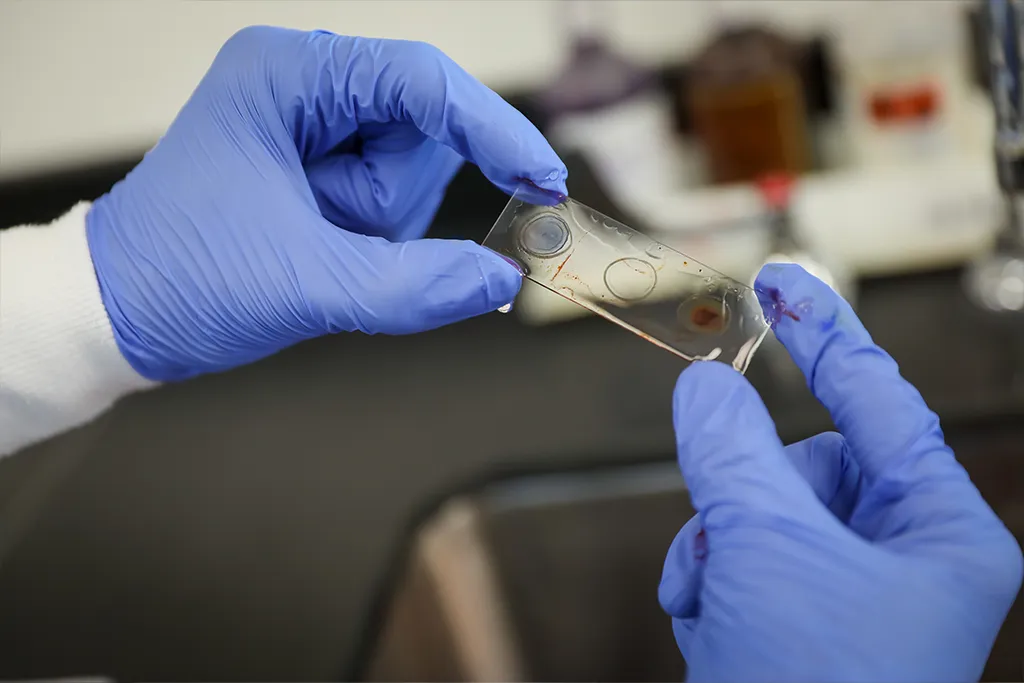
Working as a medical laboratory scientist calls for both solid technical training and the personal qualities that help you handle the responsibilities that come with the role. Among the most important skills needed are:
- Proficiency in laboratory testing procedures
- Skilled use of diagnostic instruments and equipment
- Strong understanding of quality control and regulatory standards
- Ability to interpret and report complex test results
- Attention to detail and accuracy
- Critical thinking and problem-solving abilities
- Effective communication with clinicians and lab teams
- Professionalism, reliability, and ethical judgment
Career Outlook and Opportunities
According to the U.S. Bureau of Labor Statistics (BLS), employment of clinical laboratory technologists and technicians is projected to increase by 2% between 2024 and 2034. Meanwhile, jobs for medical scientists, as professionals who often work closely with advanced laboratory science, are expected to grow by 9% over the same period.
Because medical laboratory science professionals often bridge clinical diagnostics and research, this range of employment trends highlights both the stable baseline demand and areas of faster growth as the field evolves.
In terms of compensation, the BLS reports a median annual salary of $61,890 for clinical laboratory technologists and technicians as of May 2024. For medical scientists, the median annual wage was reported at $100,590.
Professionals in the medical laboratory science field typically fall between these benchmarks. Earnings can be higher in regions facing laboratory staffing shortages, in roles requiring specialized expertise, or for individuals with extensive experience.
Career paths stretch in many directions. Experienced MLS professionals move into management, overseeing lab operations and quality systems. Others shift into education, teaching future lab scientists. Quality assurance and regulatory roles are another avenue.
Public health laboratories offer chances to support disease surveillance and outbreak investigations. Research positions open the door to scientific discovery. Companies that manufacture lab equipment or diagnostic tools also value MLS expertise for sales, training, and technical support.
Why Medical Laboratory Science Matters
Every diagnosis, whether it's diabetes, cancer, or one of the common infections patients deal with, starts with data coming out of the lab. That itself immediately points to the immense importance that medical laboratory science has.
When physicians choose a treatment, adjust a medication, or check how someone is responding, they're leaning on results produced by medical laboratory science, even if that part of the process stays out of view.
What really carries the weight here is the depth of expertise behind each test. At UND, the invaluable service of MLS is something we understand and continuously try to highlight.
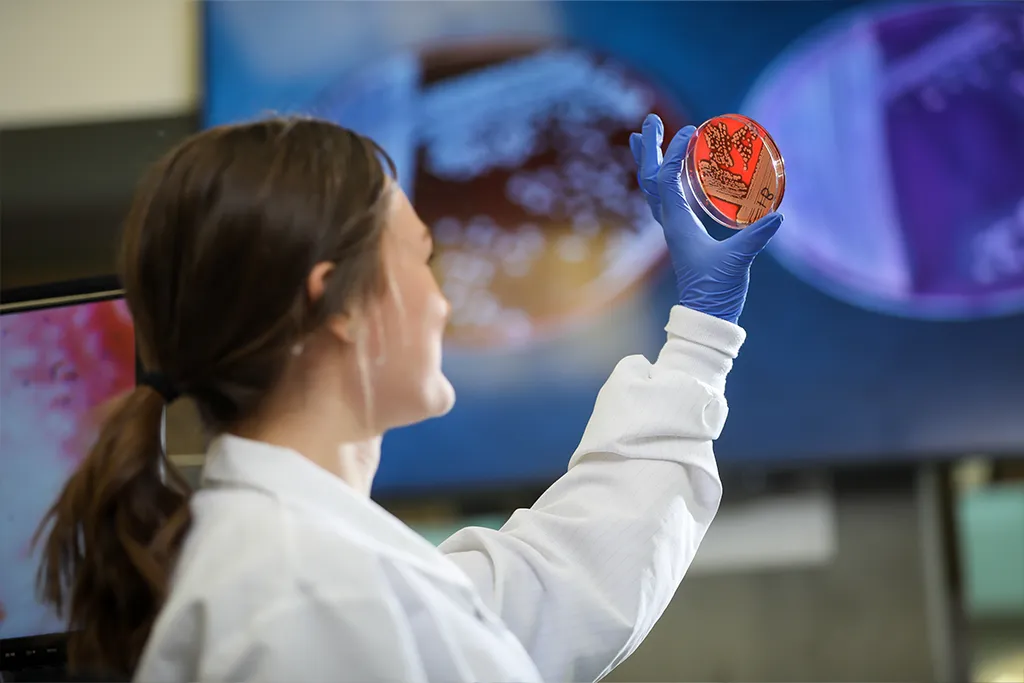
Most people only see the final number or the positive/negative outcome. The reasoning that leads to it, the judgment calls, the interpretation, and the quality control rarely get noticed, even though they're happening with every sample. Assistant Professor Karen Peterson put it perfectly when she said that "there's a whole lot of critical thinking and troubleshooting taking place on a daily basis in the lab that we are doing to assure that those results are accurate."
That behind-the-scenes nature is part of why MLS professionals are often described as "invisible." As department chair, Brooke Solberg says:
"We're behind the scenes, so many people assume we get their blood sample and voila – you get a test result. But it's what happens in-between – all those steps – that really define us as medical laboratory scientists."
The pandemic made that gap in visibility a bit smaller. With testing suddenly on everyone's mind, more people saw how essential laboratory analysis is to protecting community health.
MLS also pushes scientific progress forward. Laboratory scientists refine testing technologies, support research, and contribute to clinical trials that bring new treatments into practice. UND's program has been connected to that momentum for decades.
Ruth Paur, thinking back on her early days in the field, remembered how meaningful it felt because of the problem-solving involved: "You have an organism growing and you had to identify what organism that was… It was a discovery process and the utilization of science."
The impact stretches far beyond any single test result. UND faculty point out that demand for trained professionals remains high as Peterson estimates "roughly 24,000 MLS jobs will become available annually," even though the country graduates far fewer than that. Hospitals and clinics are constantly looking for skilled laboratorians, and UND's graduates step into those roles across the region and well beyond it.
Quiet as the work may seem from the outside, it's indispensable. MLS professionals help transform uncertainty into reliable information that guides patient care, one result at a time.
Conclusion
Medical laboratory science offers a meaningful career for anyone who loves science and wants to make a difference without moving into direct patient care. MLS professionals support nearly every aspect of modern medicine through their analyses and attention to detail.
The work is both intellectually challenging and deeply impactful. Every result influences a decision. Every quality check adds to patient safety. Every new method pushes healthcare forward.
At the University of North Dakota, the MLS program strengthens scientific knowledge through immersive clinical experience and faculty guidance. Join us and step into professional roles equipped to deliver accurate and dependable results. Modern healthcare advances because laboratory professionals ensure that every decision rests on sound evidence.
FAQs
Medical laboratory technology usually requires an associate degree and focuses on routine testing under supervision. Medical laboratory science involves a bachelor's degree and includes more complex testing, analysis, and independent decision-making.
Popular topics include rapid diagnostic test development, AI applications in result interpretation, innovations in point-of-care testing, molecular diagnostics for personalized medicine, and laboratory quality improvement.
Begin with a bachelor's degree in MLS or a related field such as biology or chemistry, complete clinical rotations, and earn national certification through organizations like ASCP.