Cadet Life
The Air Force ROTC offers a program for cadets to develop leadership and decision-making skills, preparing them for a career as a commissioned officer.
Cadet Wings
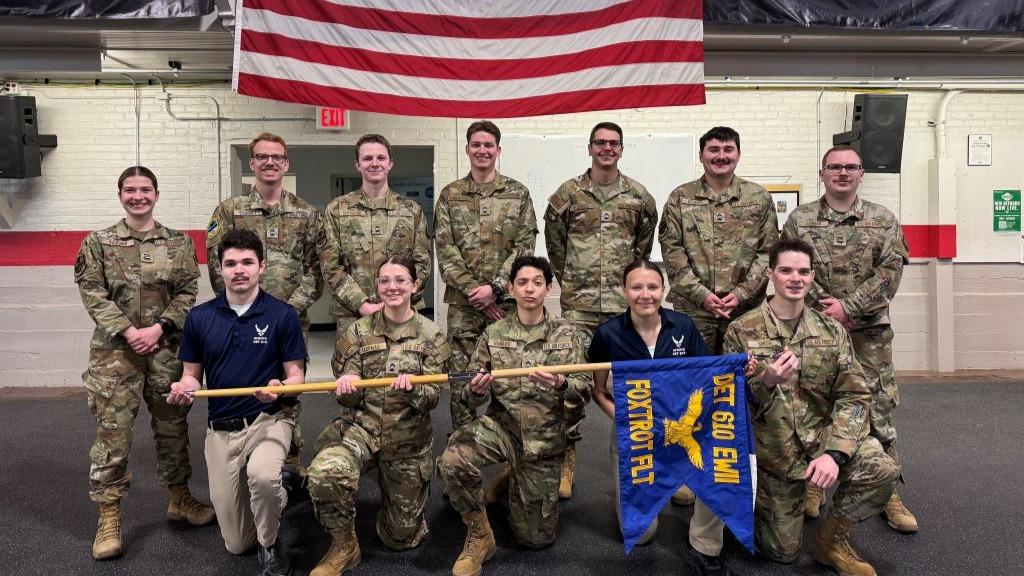
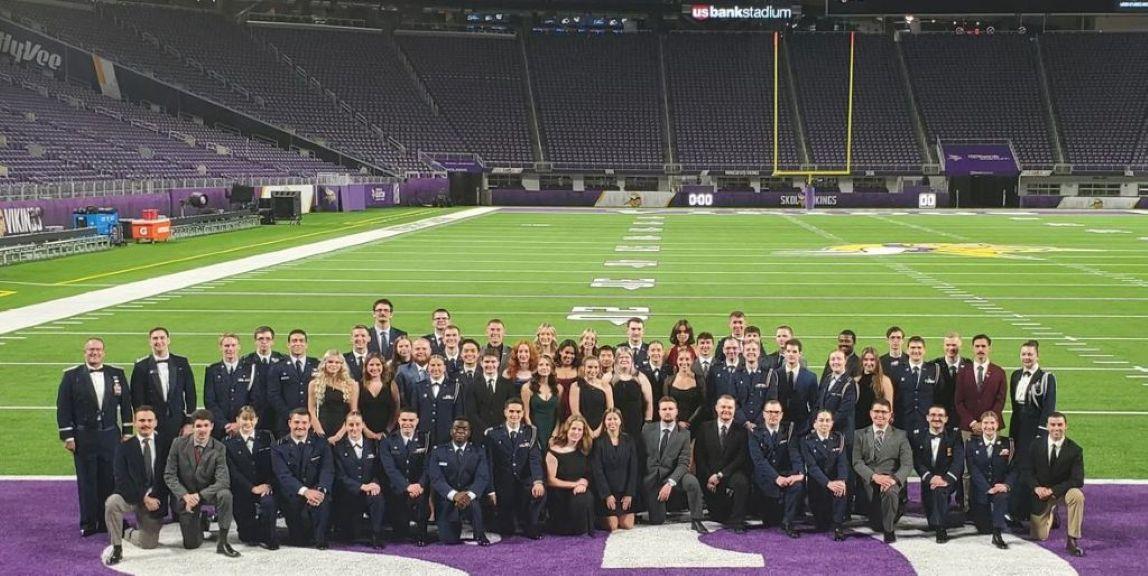
The Cadet Wing is the term used for the organization of the cadet corps at each school.
While referring to all of the cadets as a body, it also includes the structure set up within the wing to carry out the tasks that it will perform. Cadets are assigned jobs within the wing, most of which are held by Professional Officer Corps (POC) cadets responsible for conducting the day-to-day training.
There are also opportunities for General Military Cadets (GMC) cadets to hold positions within the wing. The wing is headed up by the commander and vice commander, with the commander holding the rank of C/Col. Directly responsible to them are the Inspector General (IG) and General Military Course Advisor (GMCA), the former in charge of standardizing and publishing detachment policies and ensuring they are maintained, and the latter serving as and information resource for GMC cadets and a direct liaison between them and the commander, analogous to a First Sergeant in the active Air Force. Authority from the commander is distributed down to the group commanders, of whom there are usually three or four in each wing. Most important of these is the Operations Group Commander, who is chiefly responsible for planning LLAB sessions. The squadron commanders and flight commanders, though whom most of the training objectives are executed, report to him.
The other groups includes Mission Support and/or Medical, based on the individual structure of the wing. This is revised each semester according to the desire of the wing commander. The assignment of positions, and even the specific jobs, very with this as well, but some are fairly constant.
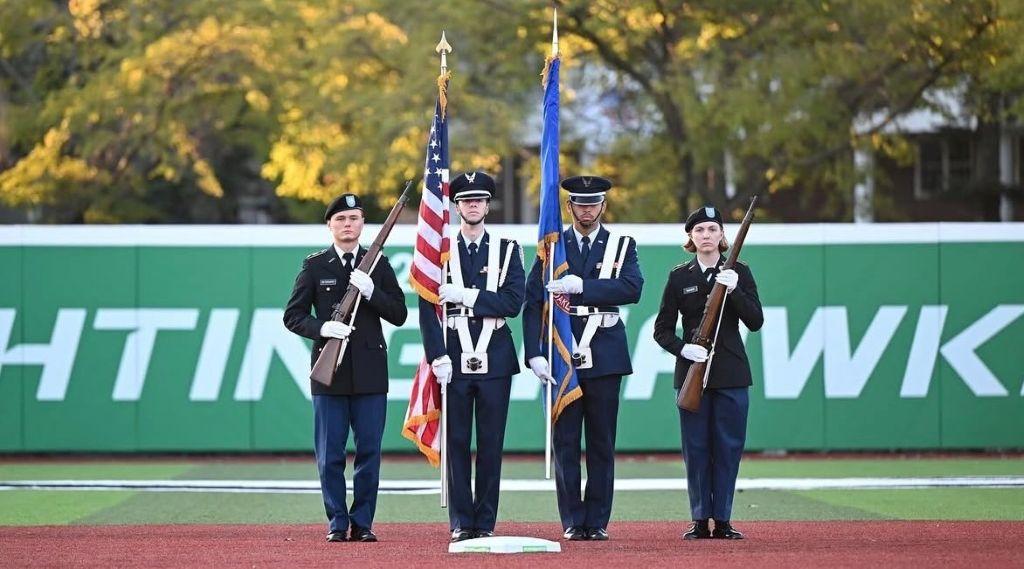
A physical fitness officer (PFO) plans and oversees the physical training program with two or three assistants. Others are the honor guard and drill team commanders; recruiting, education, mentorship and activities officers; the Drill and Ceremonies (D&C) and Field Training Prep (FTP) officers; and the technology and Internet officers. There may also be positions for a Civil Air Patrol Liaison depending on the setup of the wing. Some of these subordinate positions may be held by GMC cadets. However, all of the group commanders and their vices are POC cadets, who, with the addition of the IG and GMCA, constitute Wing Staff, which operates the entire wing subject to the authority of the cadre members.
Courses
Students are required to take three Air Force ROTC courses per semester.
- One credit for underclassman
- Three credits for upperclassmen
- If completing a three-year program, students will take two academic courses each of their first two semesters.
Leadership Laboratory (LLAB) provides cadets with practical opportunities to strengthen their leadership skills, practice flight command, and refine marching and drill techniques. It simulates high-pressure scenarios to enhance critical thinking and improve each cadet’s ability to lead effectively in any situation. Cadets also offer constructive feedback to their peers to elevate overall performance.
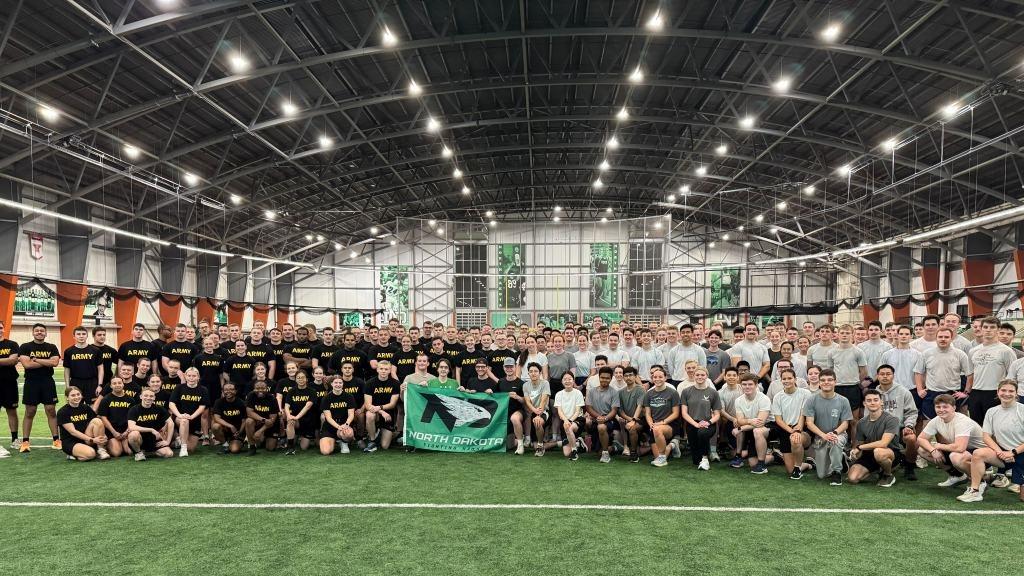
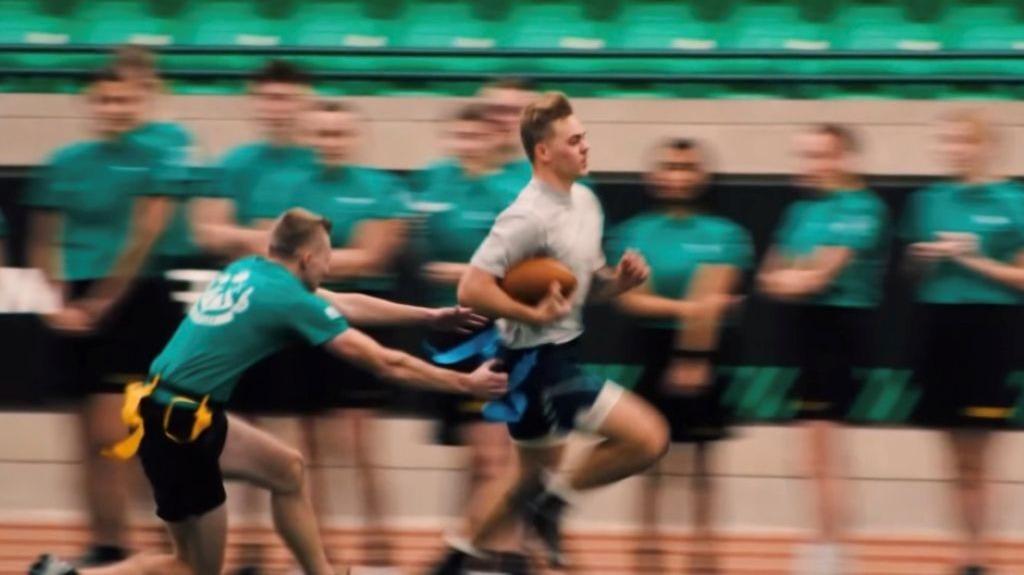
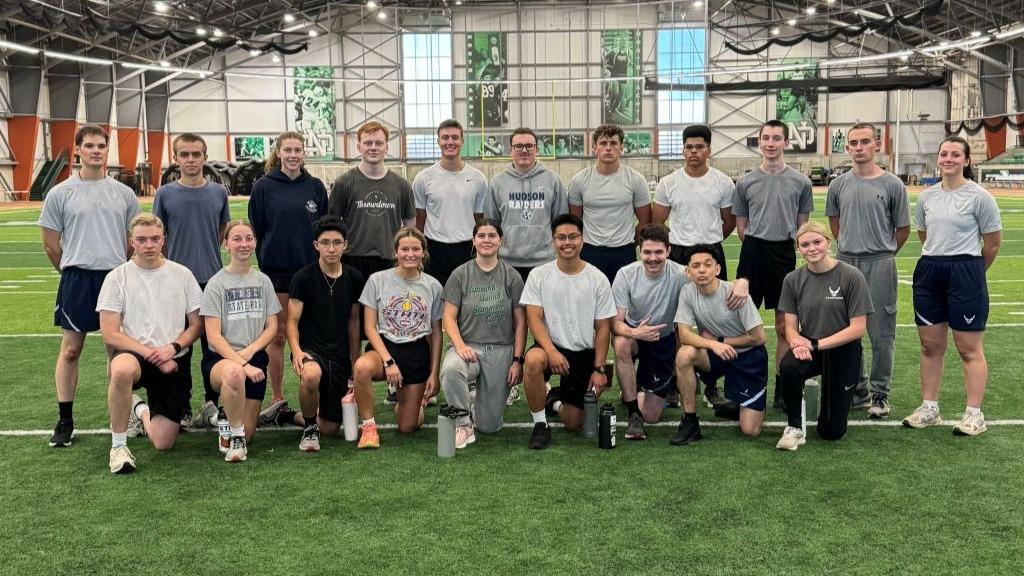
Cadets participate in Physical Training two to three times per week to prepare for the Physical Fitness Assessment (PFA):
- 1 minute of push-ups
- 1 minute of sit-ups
- 2 mile run
The sessions incorporate cardio workouts, high-intensity interval training (HIIT), “MURPH” challenges, and various strength-training exercises.
Dress & Appearance Standards
Dress and appearance standards will be briefed early in the semester. Reference: DAFI: 36-2903 for specifics.
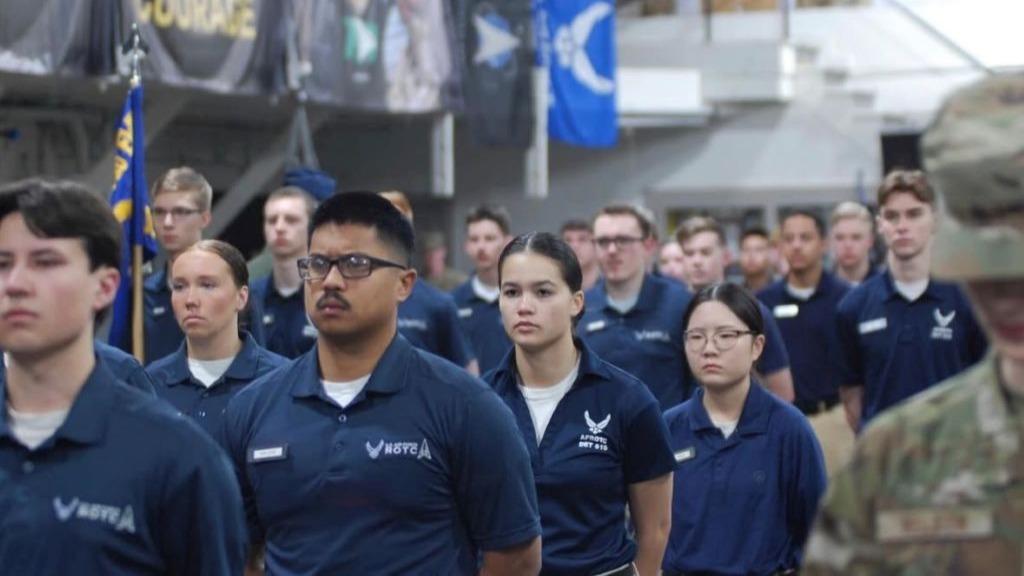
A short-sleeve navy blue polo, tan khaki dress pants, black or brown dress shoes, black or brown belt, and black or brown socks. A solid black backpack for use while in uniform (small logos are authorized). This will be your uniform as a new cadet until you are issued the official Air Force uniform.
Hair spray and gel are OK; bobby pins, hair clips, and/or hair ties must match your natural hair color or can be black in color. Your hair must be above the bottom edge of your shirt collar (it may touch the top edge of the collar), or it must be pulled back, into a single bun. Conservative round or square white diamond, gold, white pearl or silver earring, not exceeding six mm in diameter may be worn in uniform on the lower ear lobe only. Hair may not extend below a running between the top of each sleeve inseam at the under arm through the shoulder blades.
Your face must be clean-shaved when in uniform, including for PT, so bring suitable shaving supplies. Hair will not exceed 2 1/2 inches in bulk, regardless of length and 1/4 inch at natural termination point; allowing only closely cut or shaved hair on the back of the neck to touch the collar. Hair will not touch the ears or protrude under the front band of headgear.
Hair color may be dyed but must still present a natural appearance and be similar to you hair color (e.g. brown, black, blonde, etc. no fad/unnatural colors). Also, no faddish hairstyles (like Mohawks) or visible body piercings (other than the earlobe, ladies only). Excessive or inappropriate tattoos may need to be covered or removed.